




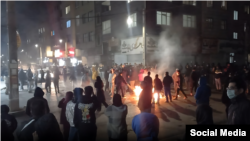
There is a cold silence hanging over the city of Karaj on January 12.
After four days of protests and a violent crackdown, the city, which lies around 40 kilometers west of the capital Tehran, is now swarming with the security forces' motorbikes and vans. Men armed with machetes, clubs, and guns patrol in front of government buildings and in the city squares.
People on the streets speak in hushed tones, as if walking through darkness or afraid to disturb the quiet.

A taxi driver tells me, with tears in his eyes, how he saw protesters -- many of them young -- killed in a downtown square on January 8. He describes how men in khaki uniforms -- which he said were the uniforms of the Islamic Revolutionary Guards Corps's Quds Force, an elite unit usually focused on external operations -- were brutally throwing protesters into trucks, whether they were wounded or dead.
Born in Karaj, the taxi driver believes hundreds in the region have died during the crackdown. He said he had spoken to people who had been at hospitals when the security forces barged in, kidnapping injured protesters and killing those who could not be transported. They finished off the wounded with silenced rifles, he said.
Whispering Names Through Tears
At Bibi Sakineh Cemetery on Karaj's outskirts, mourners in black are visible from afar, some in ethnic costumes and clearly coming from other cities. The mourners whisper names through tears: "Samaneh Abdi, 22 years old; Mohammad, only 17."
With many coroner's offices and morgues shuttered, families searching for the bodies of their loved ones are being referred to other centers around the city. With so many dead, the doors to some cemeteries have been closed and the government has started to prevent some burials from taking place in order to manage the crisis.
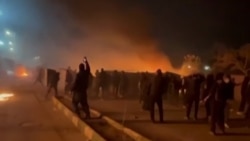
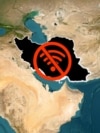

Access to Karaj hospitals such as Kasra, Qassem Soleimani, and Takht Jamshid remains nearly impossible, with armed guards sealing entrances and forcing anxious families to wait outside.
While rescue workers across the city have rushed to help the injured, shortages of specialist personnel, medicine, and equipment have meant the death toll has kept on rising. Some families are hiding their relatives' bodies at home, so terrified they are of the authorities seizing their dead.

