




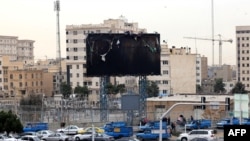
Iran said it is considering lifting its Internet blackout this week as details of a brutal crackdown on antiestablishment protests where thousands are reported dead continue to leak out of the country.
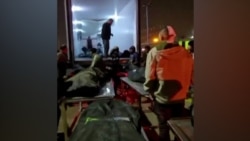
As of January 18, the US-based rights group HRANA said it had verified the deaths of 3,919 protesters, while 8,949 additional deaths are still being reviewed.
The group said another 2,109 people were seriously injured during the unrest, with more than 24,000 detained in one of the biggest challenges to the Islamic republic's leadership in recent years.
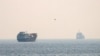
The death toll from the crackdown on the protests, which started in Tehran markets over spiraling inflation and a freefall in the currency before broadening into nationwide antiestablishment demonstrations, is substantially higher than those of previous bouts of unrest put down by the authorities in 2022 and 2009.
“This regime has crossed every moral red line, and this crime is a stain of shame that will remain on the face of the Islamic republic,” Mikael Askari, who says three members of his family were killed by gunfire from security forces while they were in their car in the city of Karaj on January 9. “They have effectively wiped out an entire family.”

He subsequently said he was holding off an attack after Iran had canceled 800 executions, although Tehran has not confirmed that number or said that hangings had been permanently called off.
In response, Tehran's hard-line rulers have renewed their hostile rhetoric and threatened to hand out the "severest punishments," potentially including executions, against the protesters.
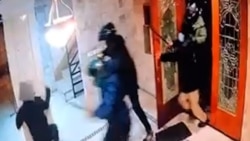

The unrest has brought simmering tensions between the United States and Iran to a near boil.
US President Donald Trump has taken the forefront among Western leaders in calling out the Iranian regime for its brutal crackdown.
Trump initially warned the United States was “locked and loaded” to take action if Iranian security forces killed protesters. He later threatened to take “very strong action” if Iran hanged protesters amid reports of impending executions.
Iranian President Masud Pezeshkian, previously considered by many to be a relative moderate among Iran's rulers, has warned the White House that an attack on the country's supreme leader, Ayatollah Ali Khamenei, would bring about an "all-out war."
The latest challenge to the theocratic government erupted on December 28, with demonstrators taking the streets over Iran's struggling economy, before snowballing into wider protests.

To choke off the flow of information between Iranians, as well as what was coming out of the country, authorities imposed an Internet blackout.
Watchdog Netblocks said on January 19 that access to the Internet remained blocked, though some messages occasionally got through, " suggesting that the regime is testing a more heavily filtered Intranet."
Hossein Afshin, Iran's vice president for science, technology and the knowledge economy, said on state television on January 19 that the Internet would "gradually return to normal operations this week."

