
In Munich, UN Nuclear Chief Says New Inspection Regime With Iran 'Technically Possible'
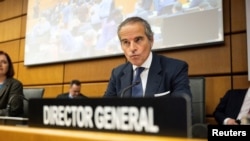
International Atomic Energy Agency Director-General Rafael Grossi arrives for the IAEA Board of Governors emergency meeting on Ukraine in Vienna on January 30.
Developing a inspection regime to underpin any new Iran nuclear arrangement is "absolutely possible," though extremely difficult, the head of the United Nations atomic watchdog said.
Speaking at a panel discussion at the Munich Security Conference, Raphael Grossi, of the International Atomic Energy Agency, said Iran's nuclear landscape had changed drastically following the US bombing of Iran's nuclear facilities in Fordow, Isfahan, and Natanz last year.
"This is absolutely possible, and it is terribly difficult, but it is technically possible and it is politically even viable," Grossi said on February 13, referring to the challenge of establishing a credible inspection regime.
The physical infrastructure of Iran's nuclear program has been largely damaged, he said, and that future monitoring would need to focus not only on what remains but on how Tehran's nuclear capabilities could evolve going forward.
Grossi noted that while agency inspectors have returned to Iran and are monitoring all undamaged facilities, they still lack access to sites struck during the bombing.
Iran 'Buries' Nuclear Site As Satellite Images Reveal US Military Buildup
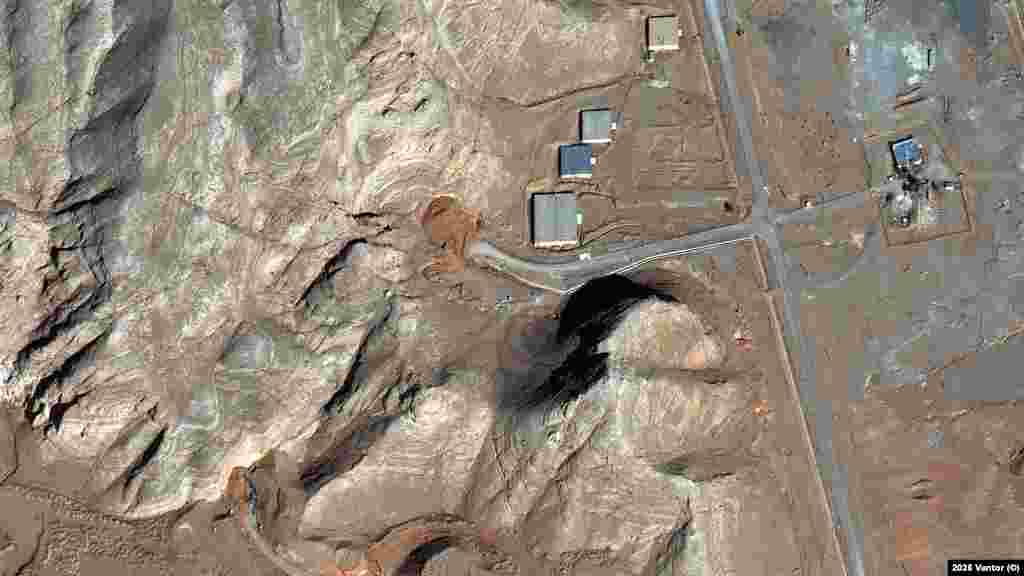
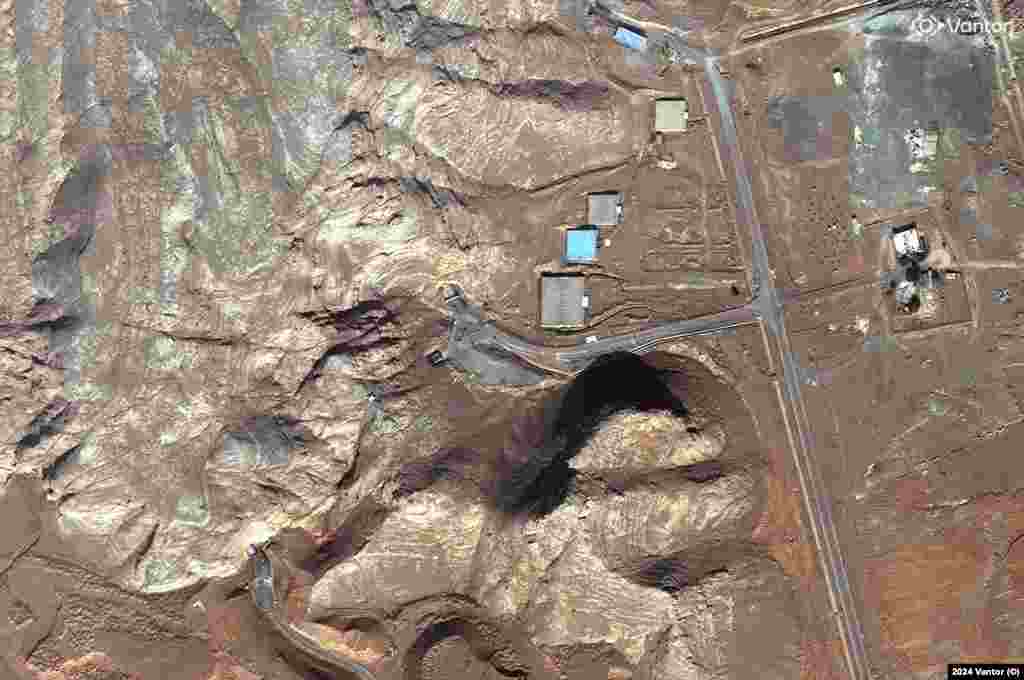
1/5A satellite image taken on February 10 shows what appears to be piles of dirt (darker shaded earth in the center of the photo) filling up the entrances to a tunnel complex at the Isfahan Nuclear Research Center in central Iran.
Satellite images appear to show entrances to Iranian nuclear sites buried under tons of soil and a marked increase in US forces in the region, as tension mounts over potential US strikes.
2/5The same view of the Isfahan site, captured in 2024, shows the tunnel entrances as they would usually appear.
Some observers have suggested filling entrances with dirt is a low-tech way to hamper a potential raid by special forces into the nuclear site.
Satellite images appear to show entrances to Iranian nuclear sites buried under tons of soil and a marked increase in US forces in the region, as tension mounts over potential US strikes.
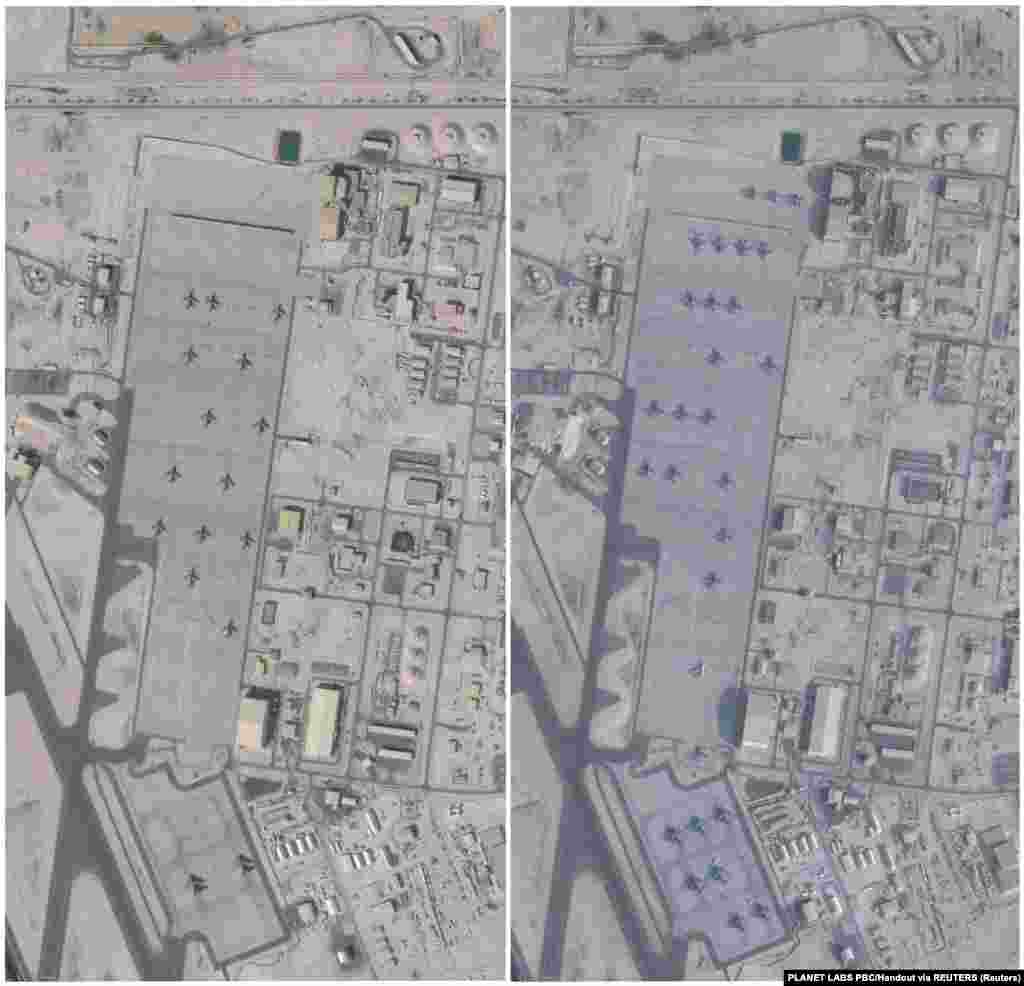
3/5Recent images appear to show a large buildup of military hardware at bases of US allies in the Middle East.
These photos appear to show an increase in the number of aircraft seen at the Al-Udeid Air Base in Qatar on January 17 (left) and February 1.
Satellite images appear to show entrances to Iranian nuclear sites buried under tons of soil and a marked increase in US forces in the region, as tension mounts over potential US strikes.
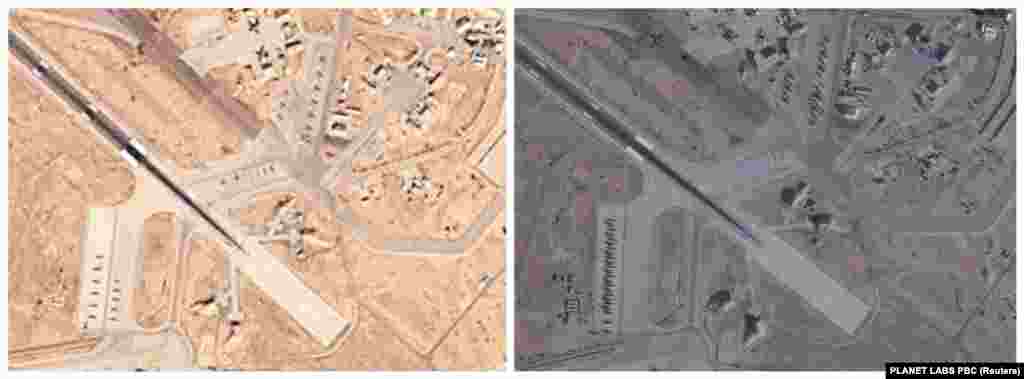
4/5Satellite images of the Muwaffaq Salti Air Base in Jordan also appear to show a marked increased in the number of aircraft on the tarmac on January 16 (left) and February 2.
Some US regional allies have reportedly said they do not wish bases in their countries to be used for strikes on Iran. Increased deployments might be to protect against Iranian drones and missiles in the event of US carrier-based air strikes.
Satellite images appear to show entrances to Iranian nuclear sites buried under tons of soil and a marked increase in US forces in the region, as tension mounts over potential US strikes.
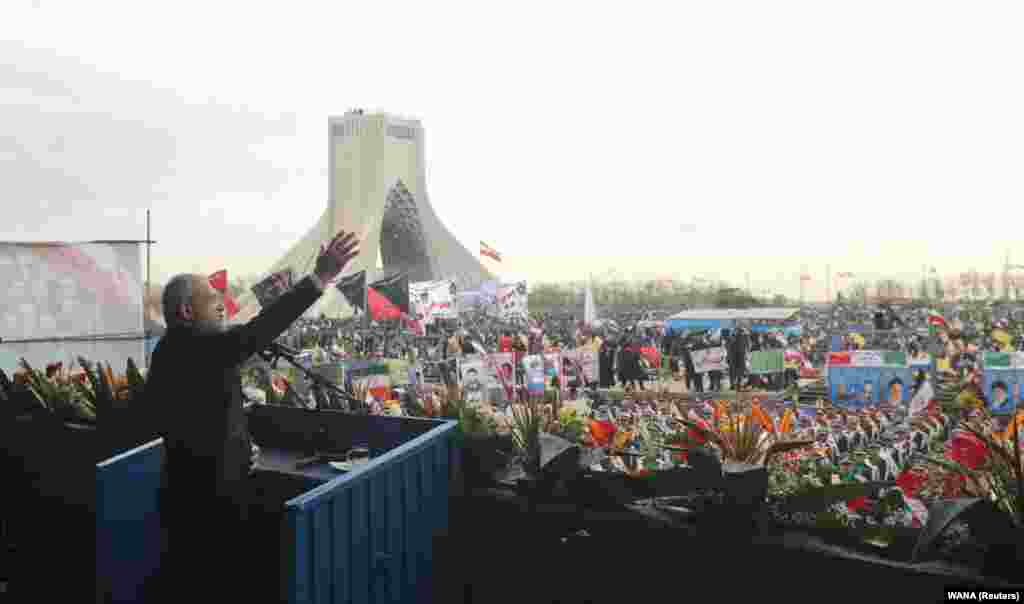
5/5Iranian President Masud Pezeshkian delivers an address on February 11 during the 47th anniversary of the Islamic Revolution in Tehran.
In his speech, Pezeshkian said his nation was "not seeking to acquire nuclear weapons," while claiming Tehran is "ready for any kind of verification." The country has refused inspections from the International Atomic Energy Agency during months of heightened tensions with the United States over Iran's nuclear program.
Satellite images appear to show entrances to Iranian nuclear sites buried under tons of soil and a marked increase in US forces in the region, as tension mounts over potential US strikes.
Previous slide
Next slide
His remarks come as diplomatic engagement between Tehran and Washington continues. The United States, meanwhile, has bolsteredits military presence, deployinga second aircraft carrier to the Middle East in preparation for a potential strike.
Grossi underscored the delicate balance facing negotiators: upholding Iran's right to peaceful nuclear activity under the Nuclear Non‑Proliferation Treaty while ensuring robust verification to build confidence and avoid escalation.
"We know perfectly well what needs to be checked and how to check it," he said, adding that light may be visible "at the end of the tunnel" if progress continues.
Iran insists that any agreement with the United States can only focus on the nuclear program, rejecting demands to negotiate restrictions on its ballistic missiles.
White House special envoy Steve Witkoff and Iranian Foreign Minister Abbas Araqchi held indirect talks in Oman on February 6. Both sides said more talks would be held soon, though no date has been set.

RFE/RL journalists report the news in 24 languages in 18 countries where a free press is banned by the government or not fully established. We provide what many people cannot get locally: uncensored news, responsible discussion, and open debate.