




Good morning. We'll start the live blog today with a few of the things that caught our eye overnight:
We are now closing the live blog for today, but we'll be back again tomorrow morning to follow all the latest developments. Until then, you can keep up with all our other Ukraine coverage here.
Time now to point you in the direction of a new article by RFE/RL's Kyiv correspondent Christopher Miller:
Facebook 'Bans' Ukrainian Far-Right Group Over 'Hate Speech' -- But Getting Rid Of It Isn't Easy
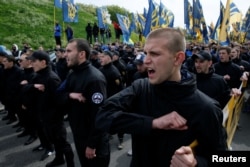
KYIV -- Ukraine's militaristic, far-right Azov movement and its various branches have used Facebook to promote its antidemocratic, ultranationalist messages and recruit new members since its inception at the start of the country's war against Russia-backed separatists five years ago.
The American social-networking giant has also been an important platform for Azov's global expansion and attempts to legitimize itself among likeminded American and European white nationalists.
Facebook has occasionally taken down pages and groups associated with Azov when they have been found to be in violation of its policies on hate speech and the depiction of violence.
The first Facebook removals occurred in 2015, Azov members told RFE/RL.
But after continuous, repeat violations Azov -- which includes many war veterans and militant members with openly neo-Nazi views who have been involved in attacks on LGBT activists, Romany encampments, and women's groups -- is now officially banned from having any presence on Facebook, the social network has confirmed to RFE/RL.
Despite the ban, however, which quietly came into force months ago, a defiant Azov and its members remain active on the social network under pseudonyms and name variations, underscoring the difficulty Facebook faces in combating extremism on a platform with some 2.32 billion monthly active users.
Read more here
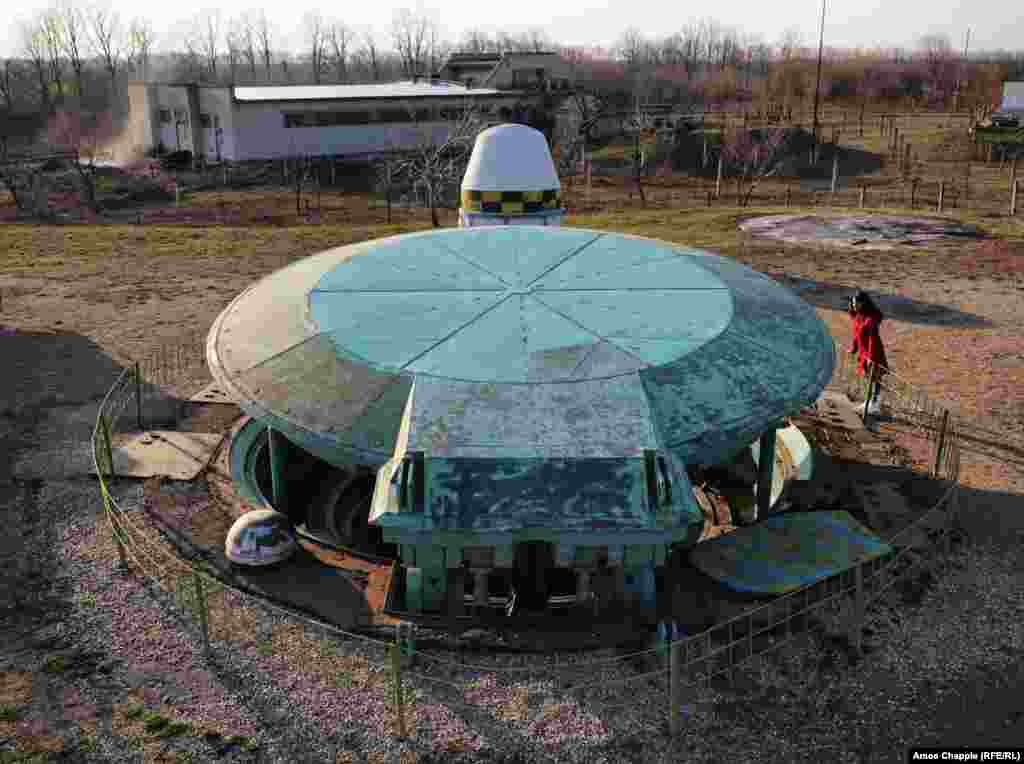
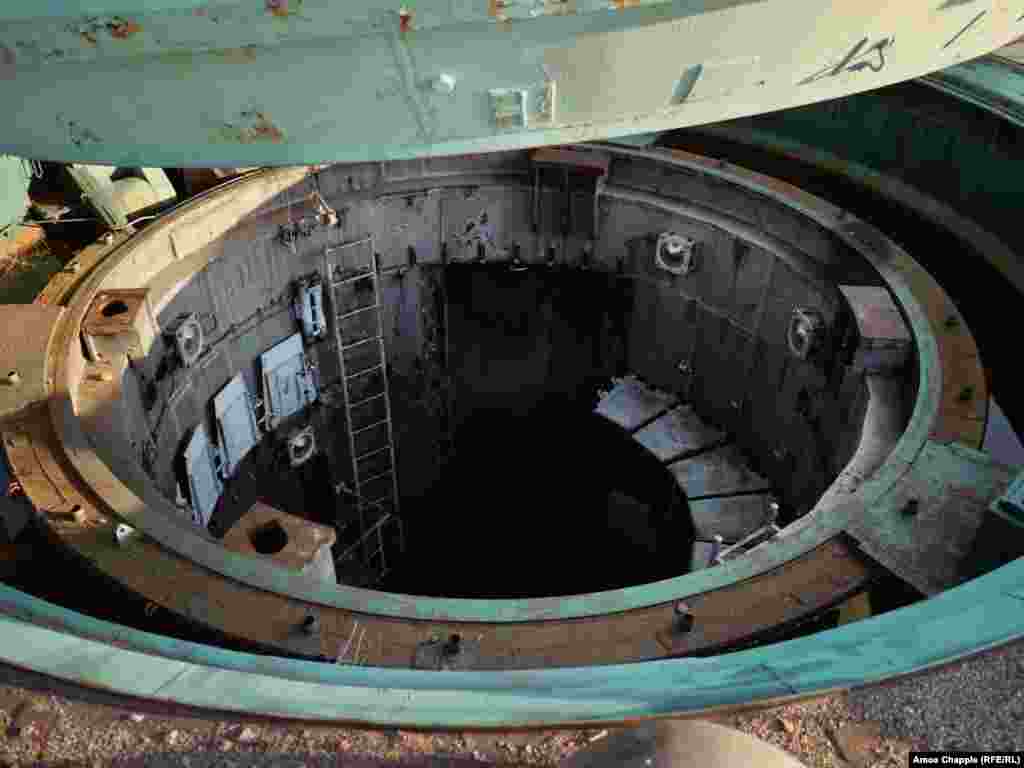
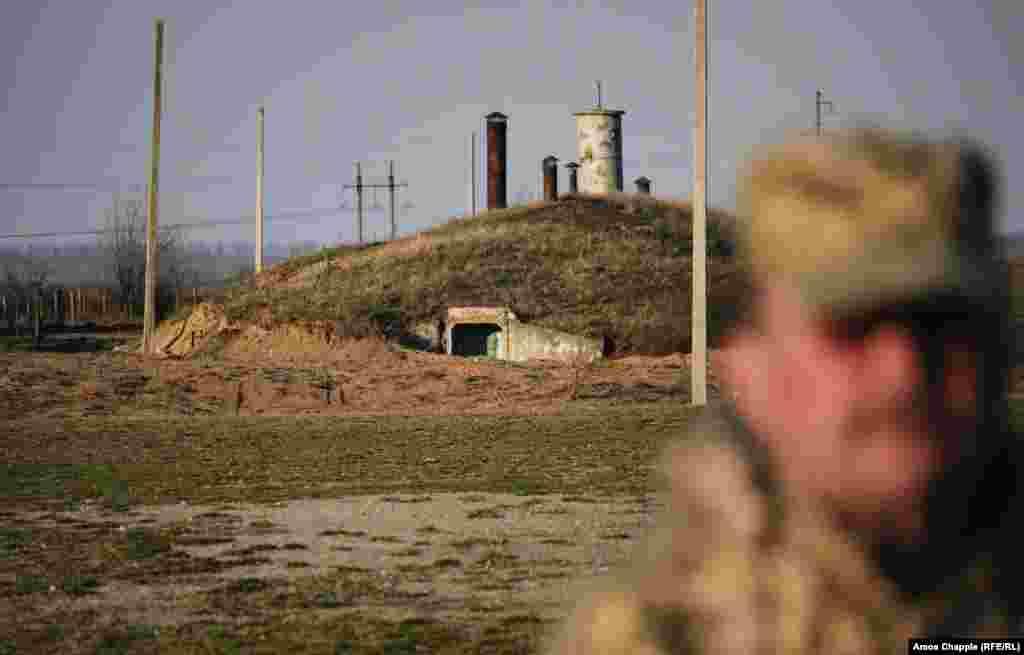
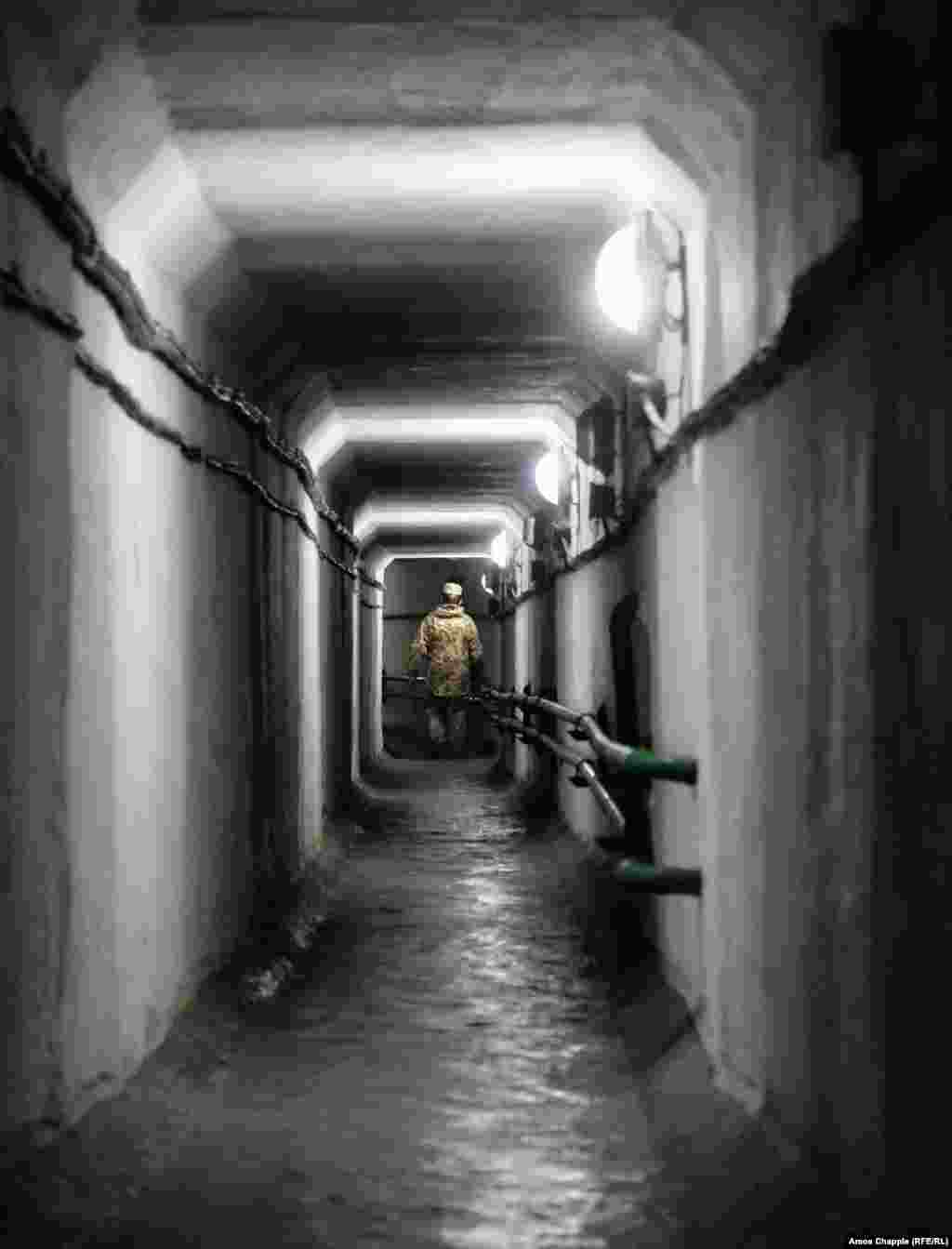
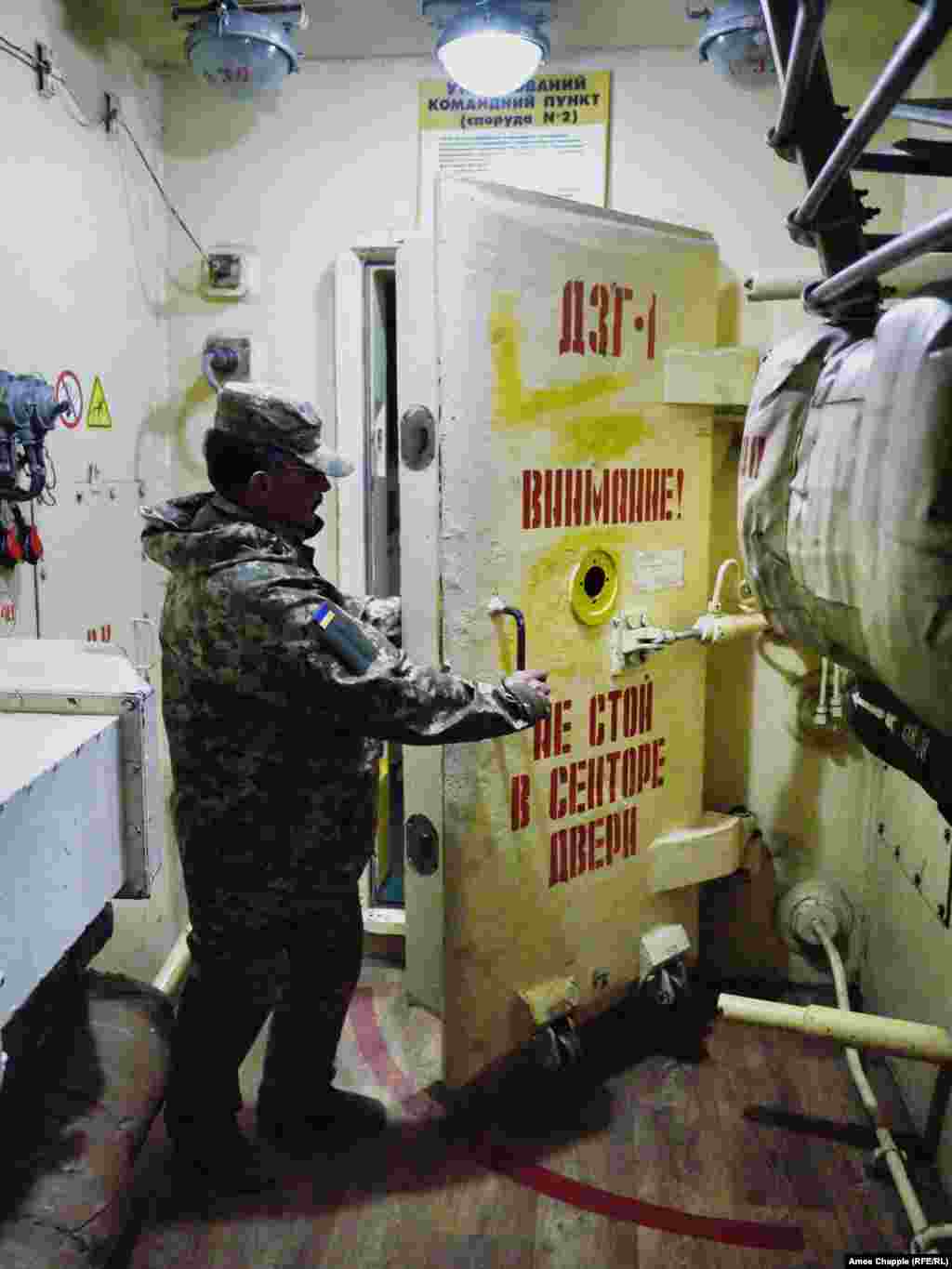
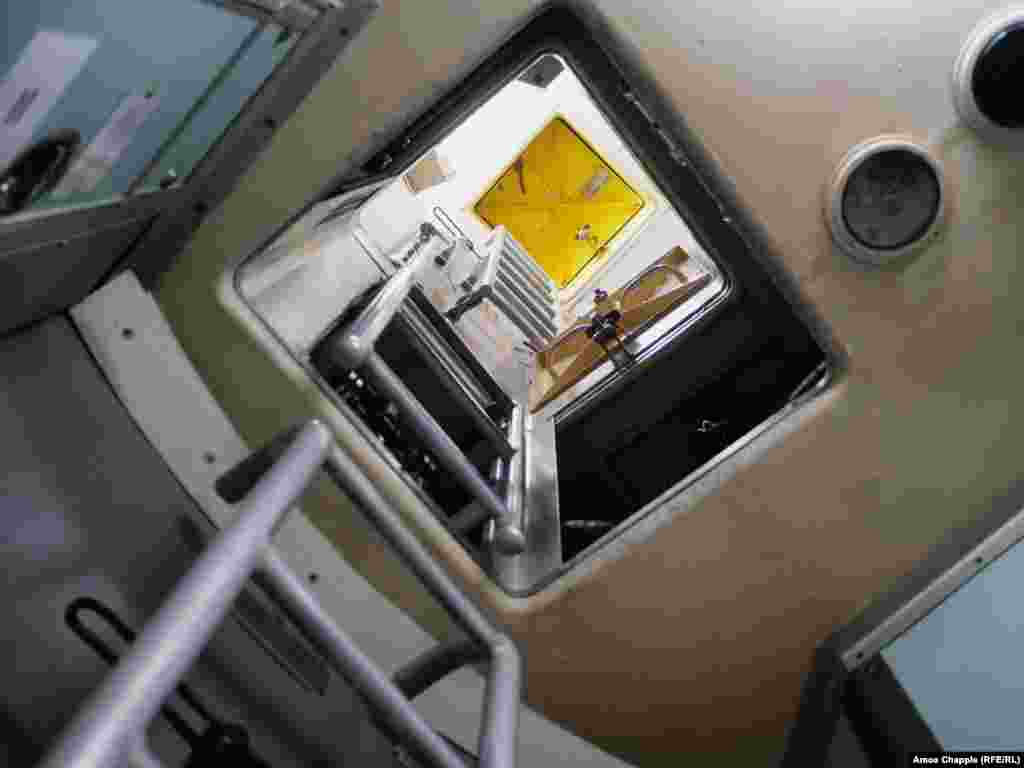
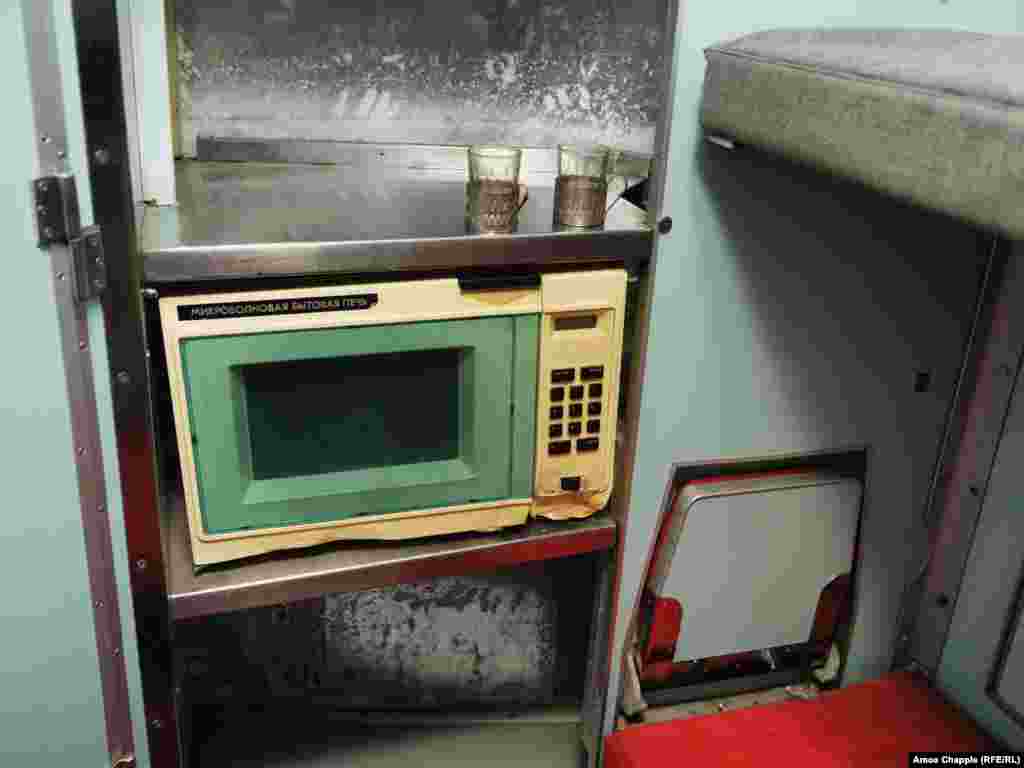
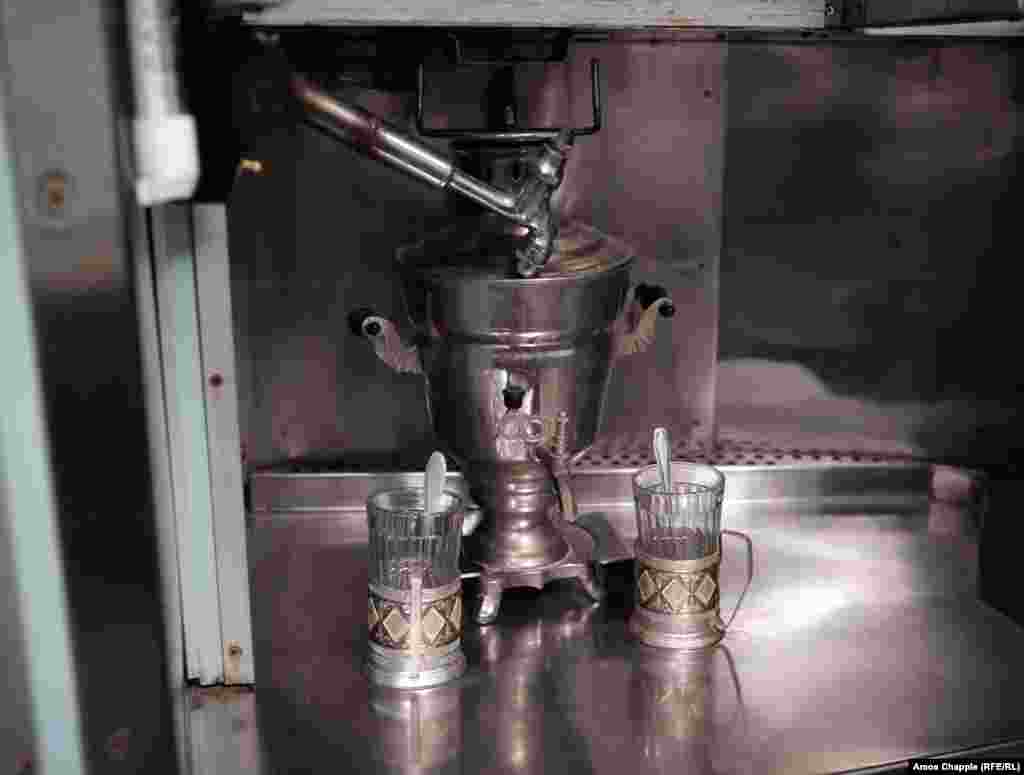
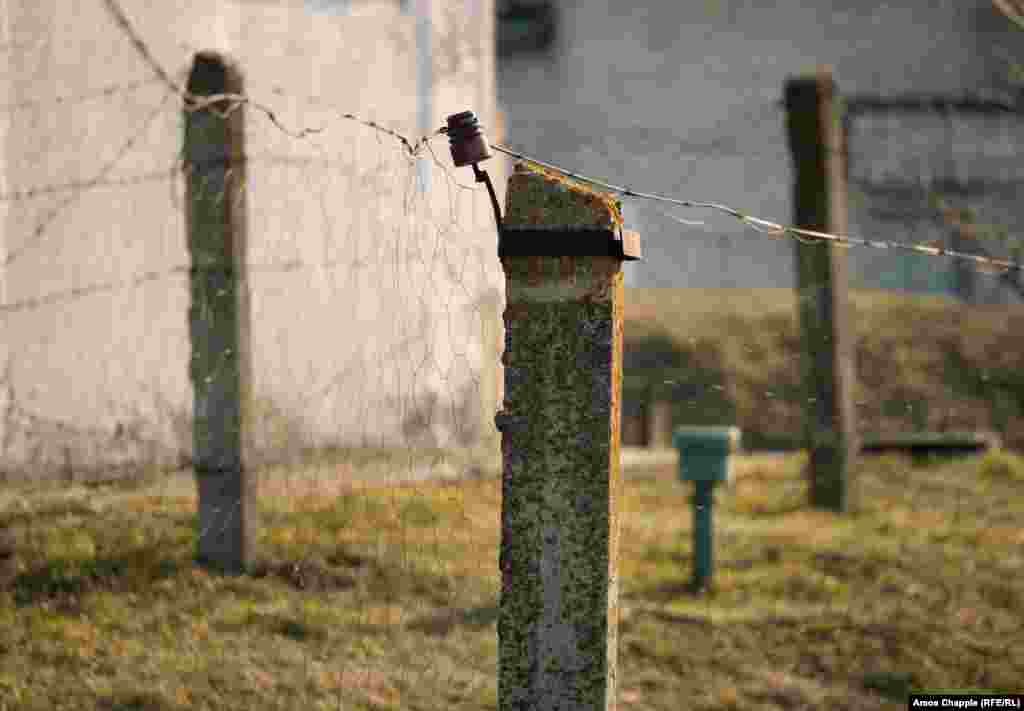
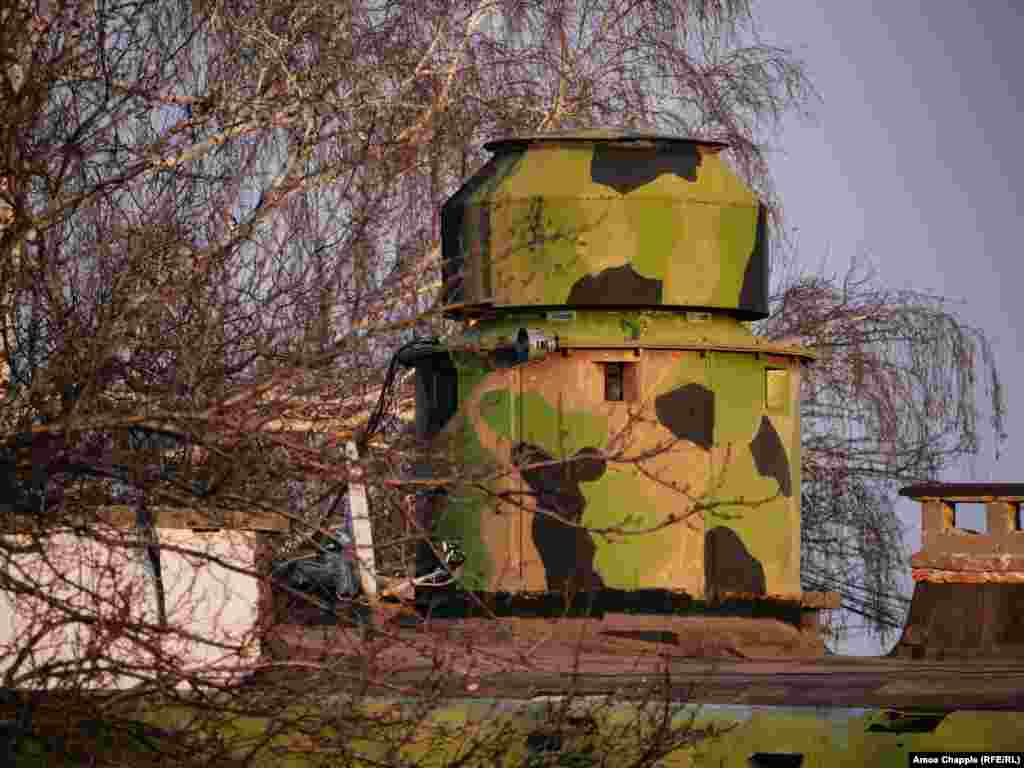
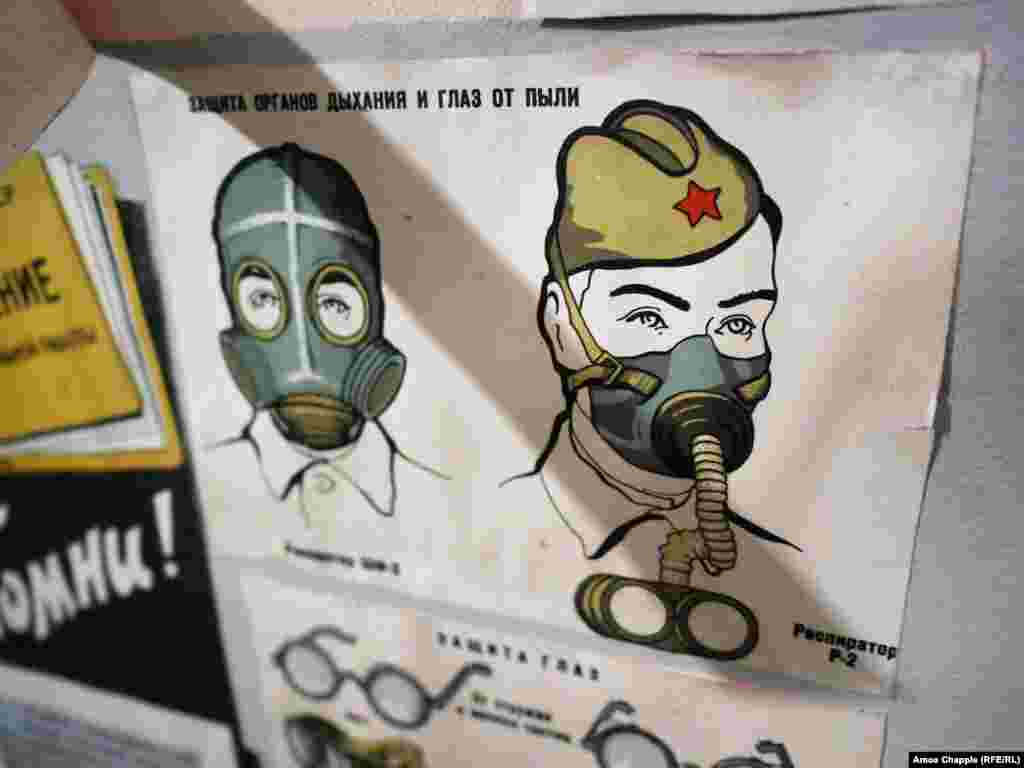
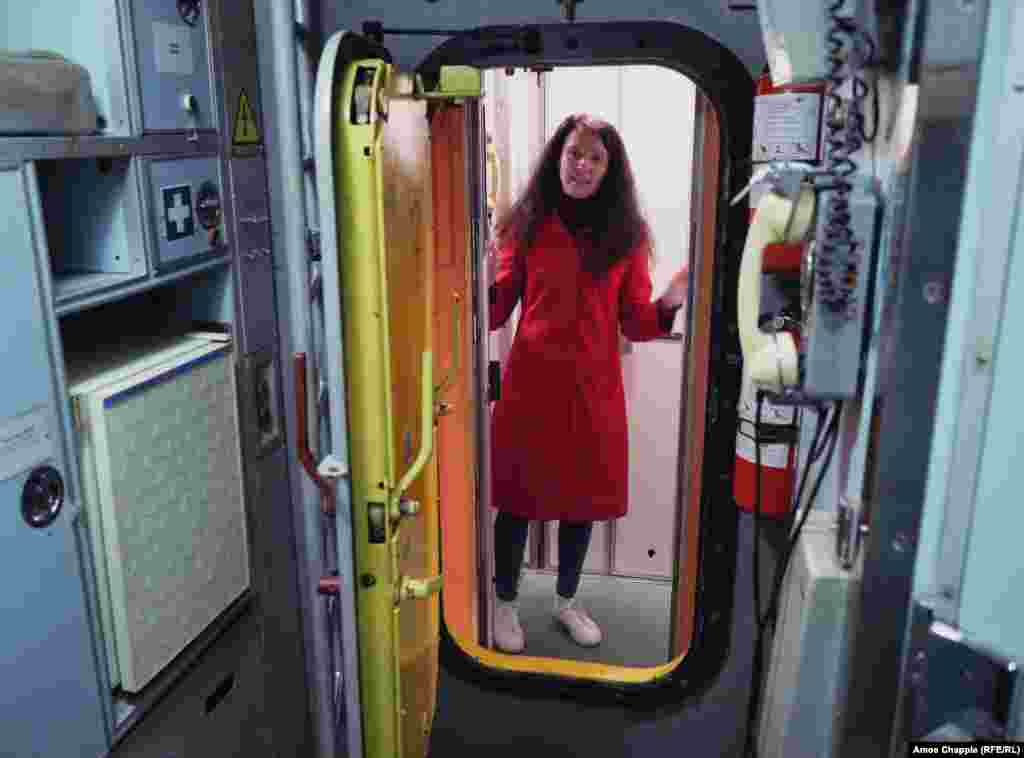
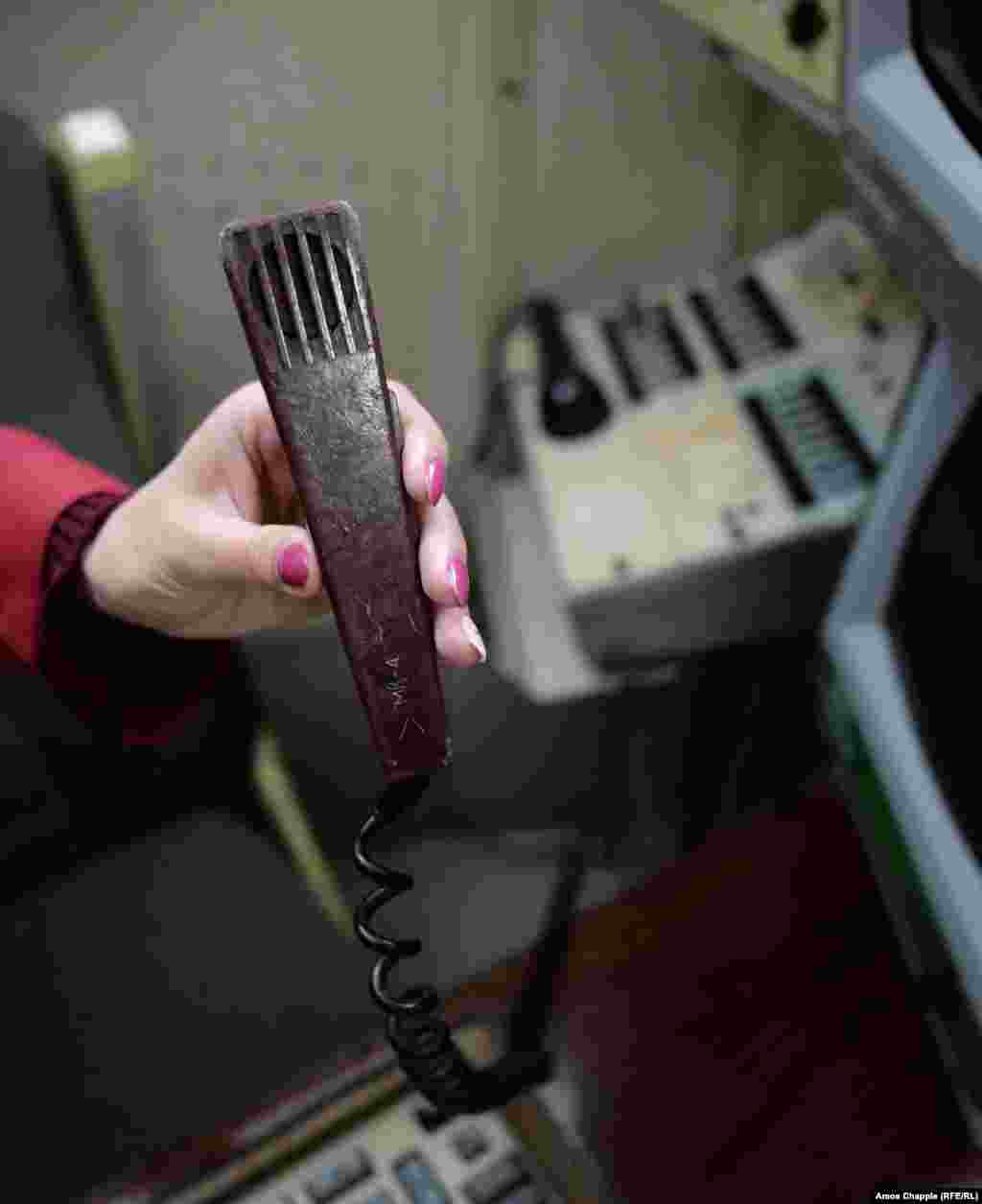
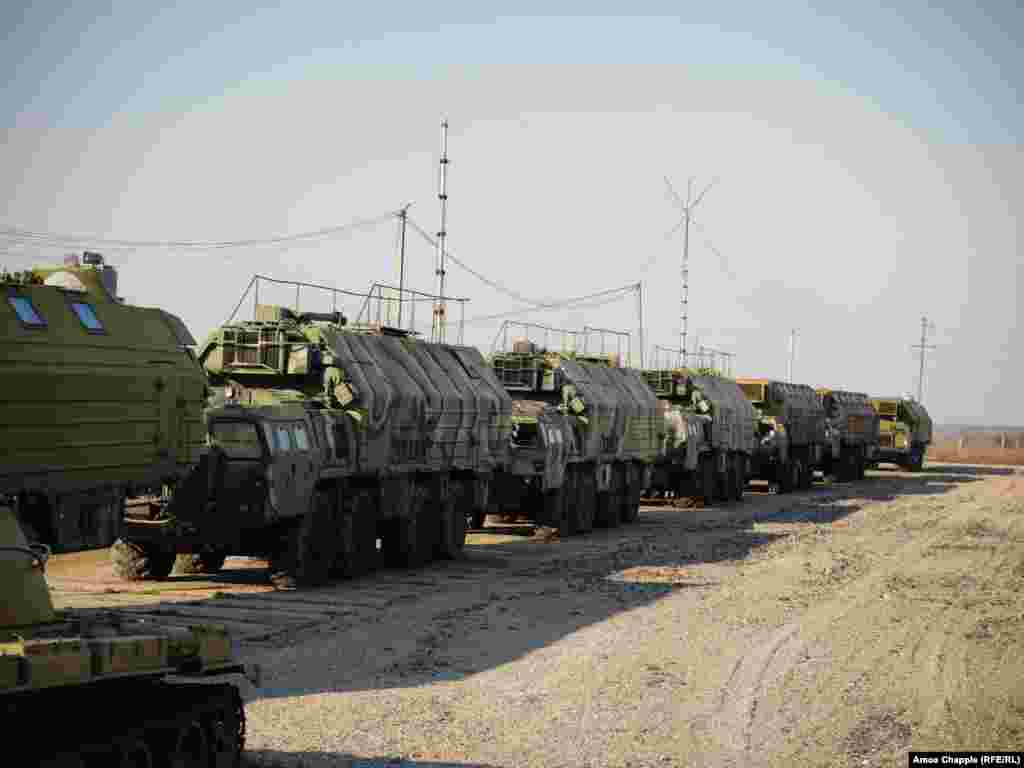
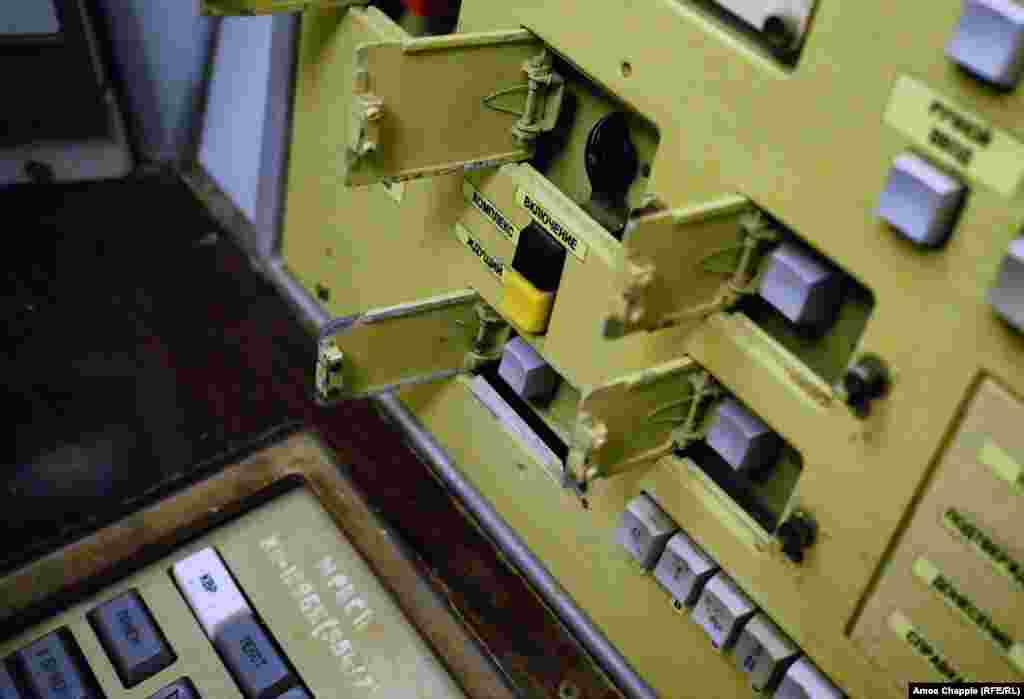
This piece by RFE/RL's Amos Chapple is not directly related to the crisis but is bound to be of interest to Ukraine-watchers. It's a gallery of photographs he took during a recent visit to a perfectly preserved nuclear launch site in the Ukrainian countryside.
Blast From The Past: Inside Ukraine's Last Nuclear Missile Base
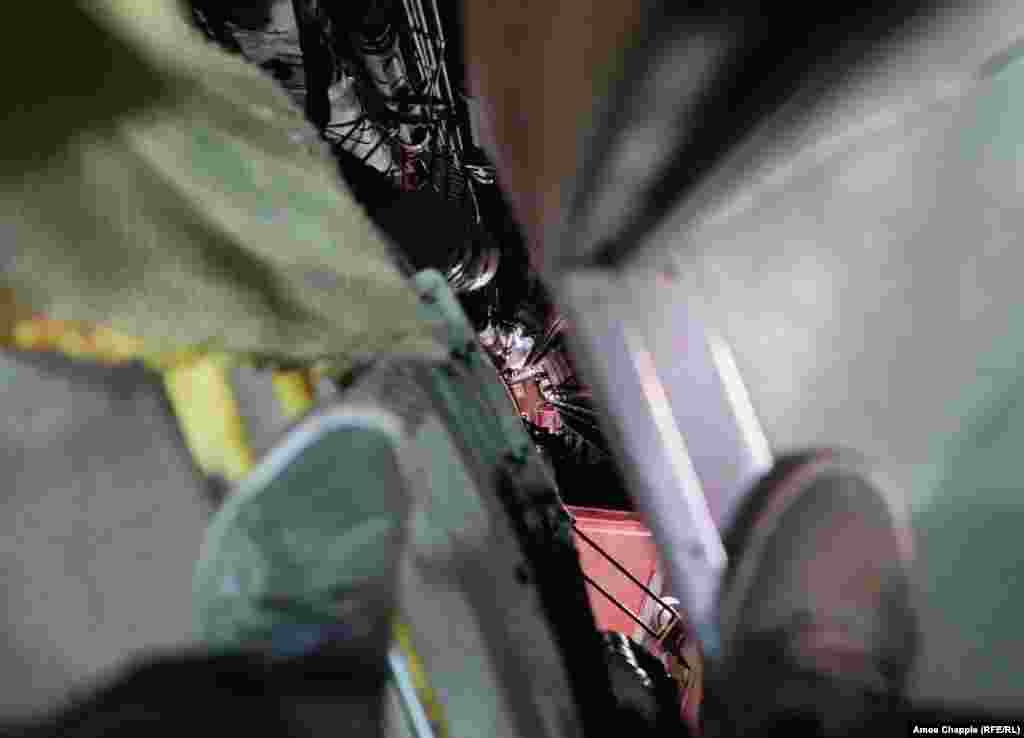
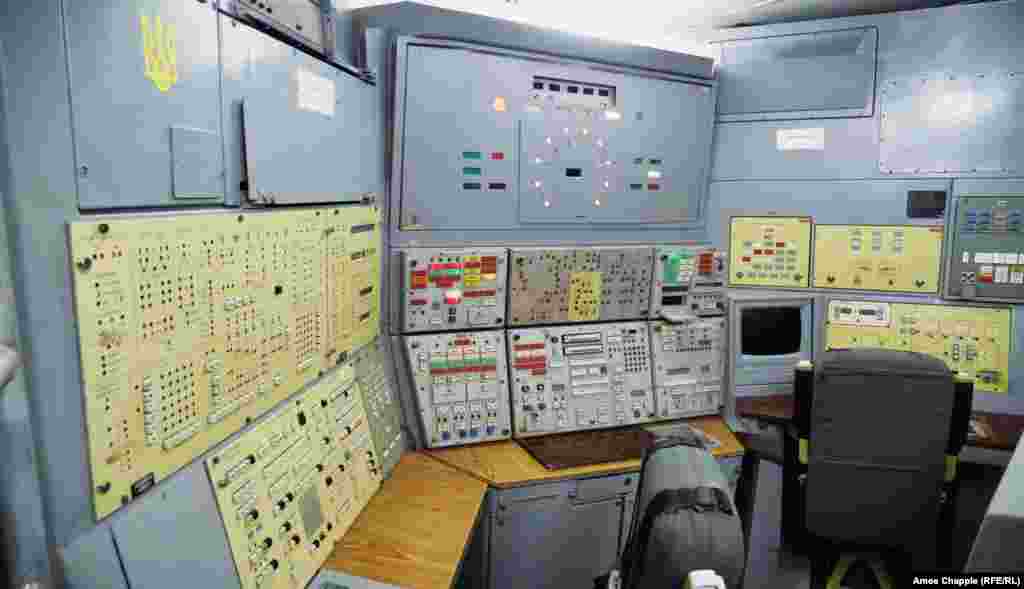
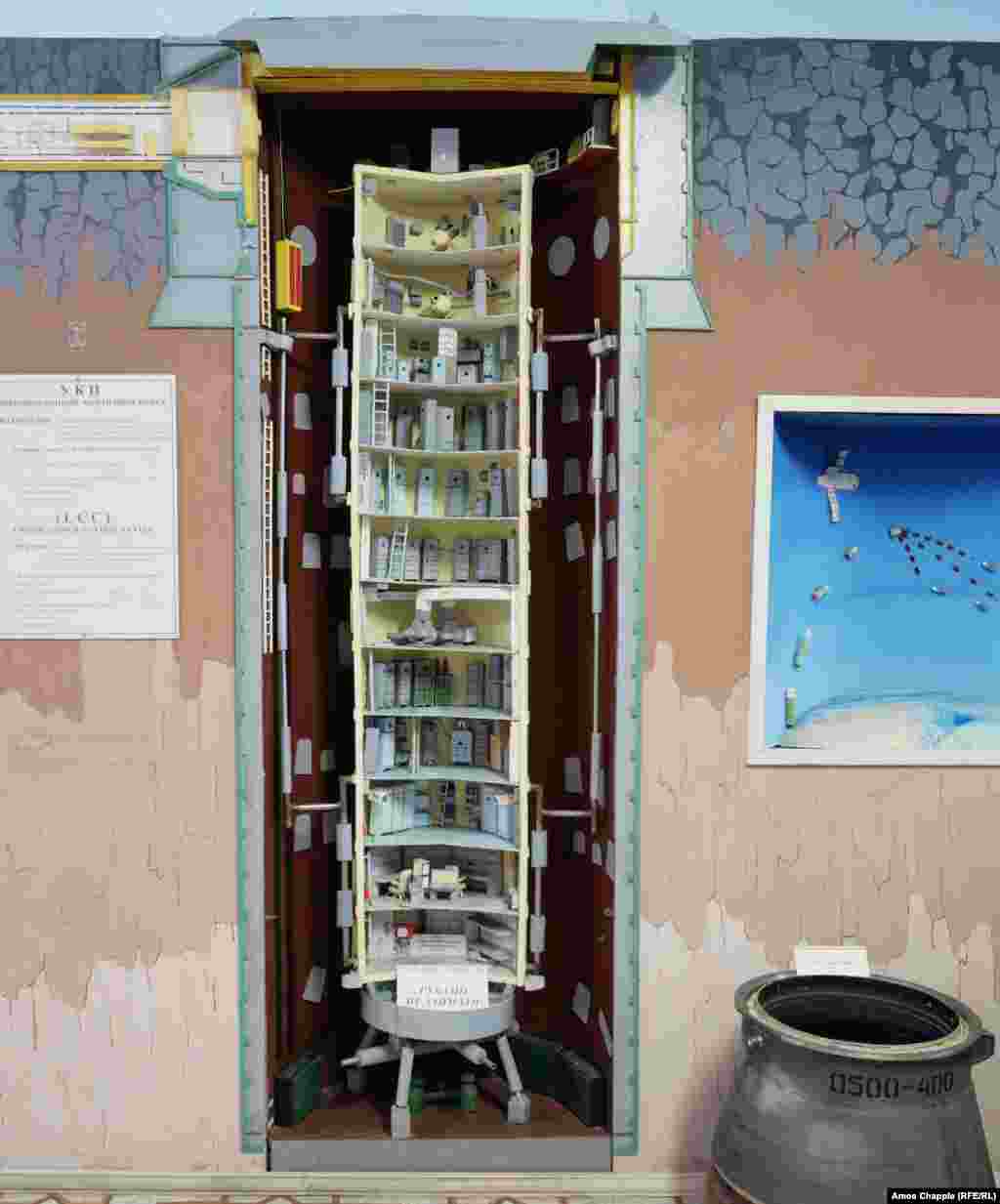
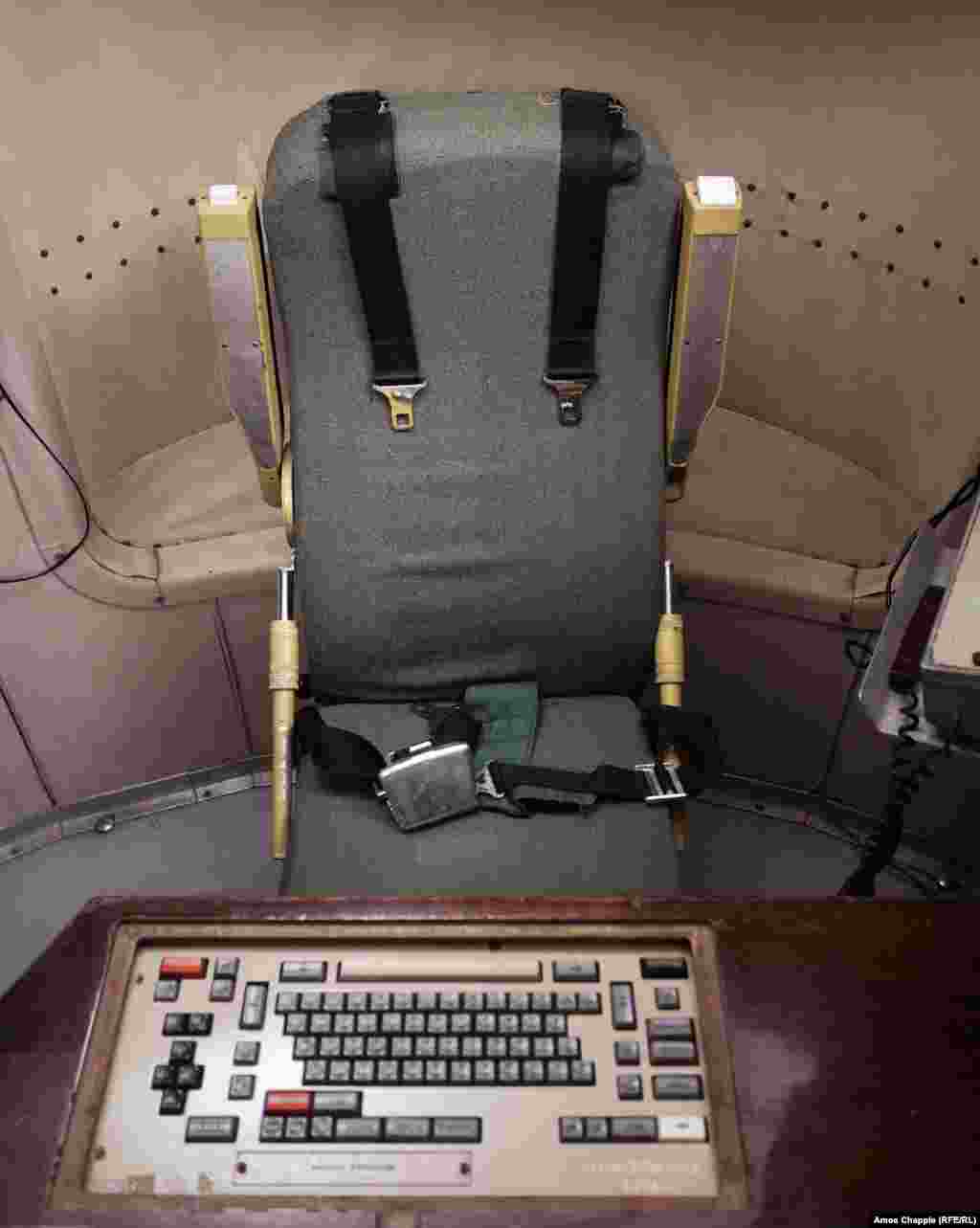
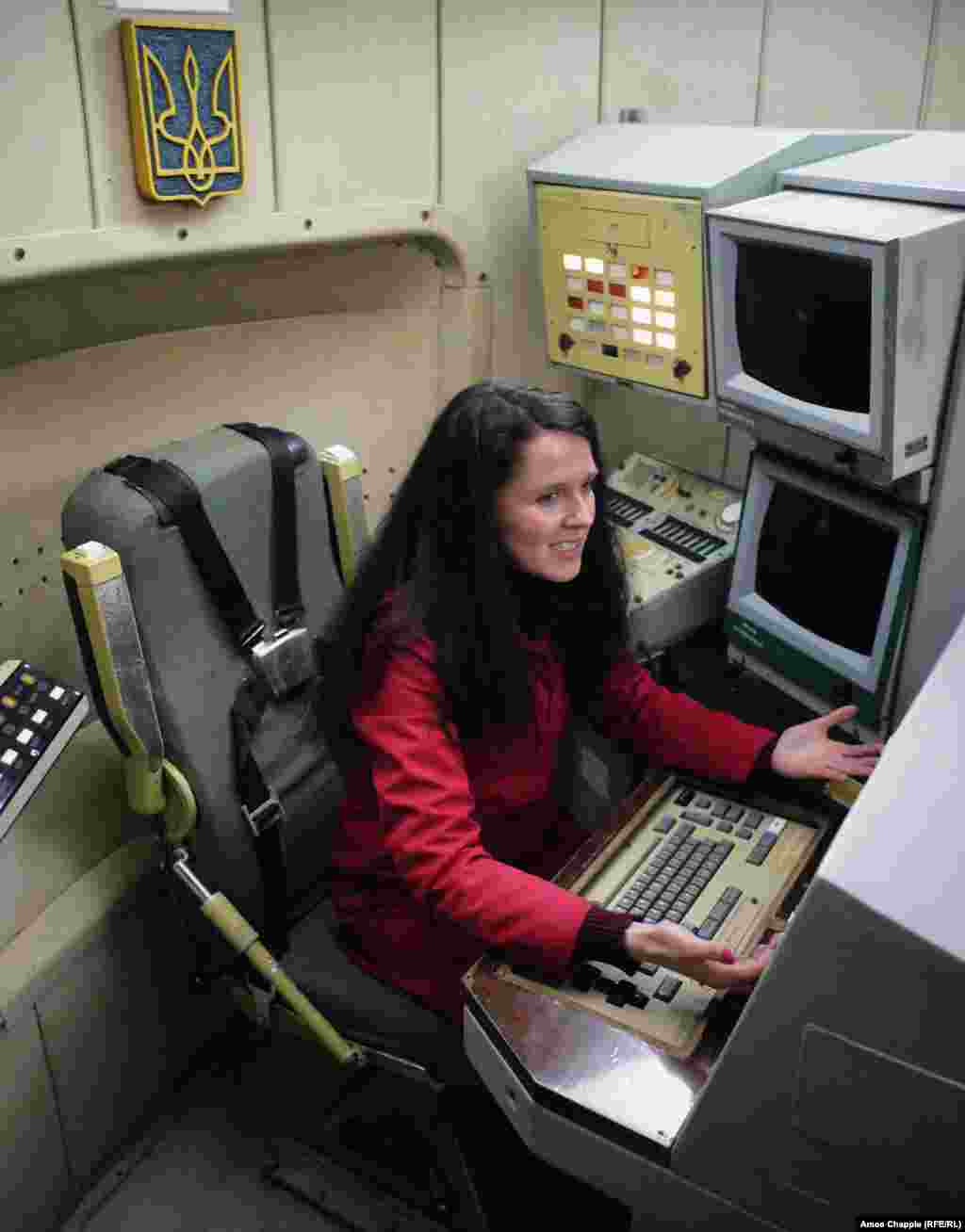
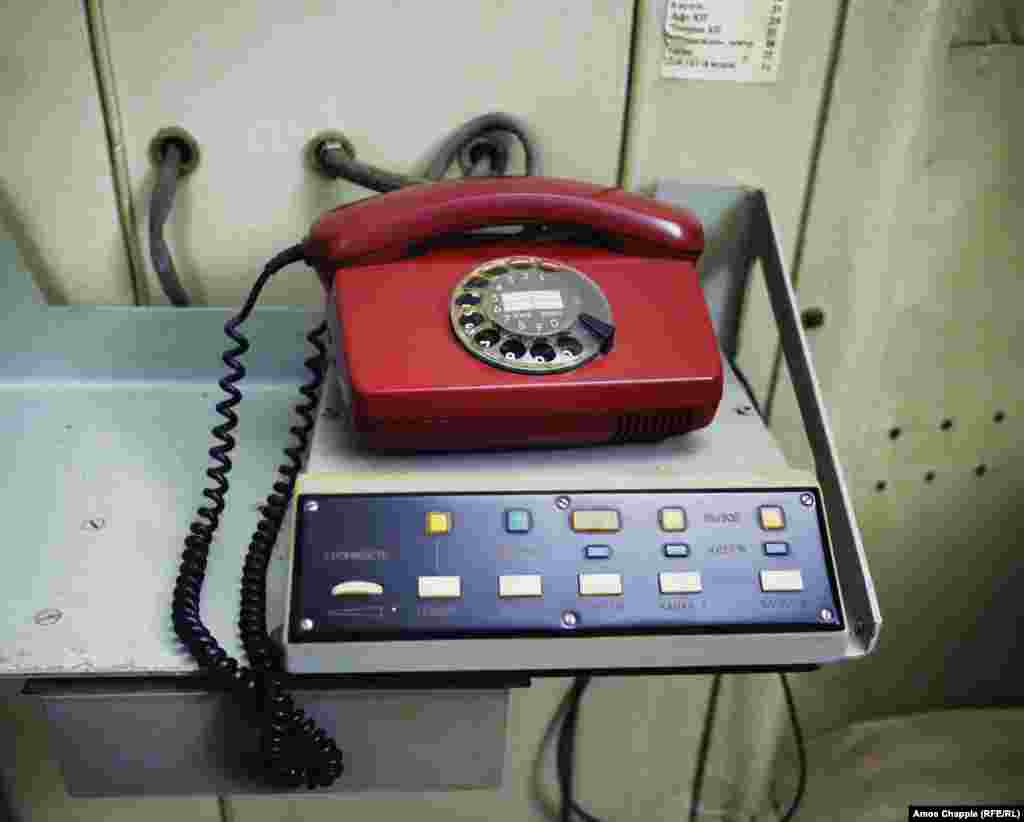
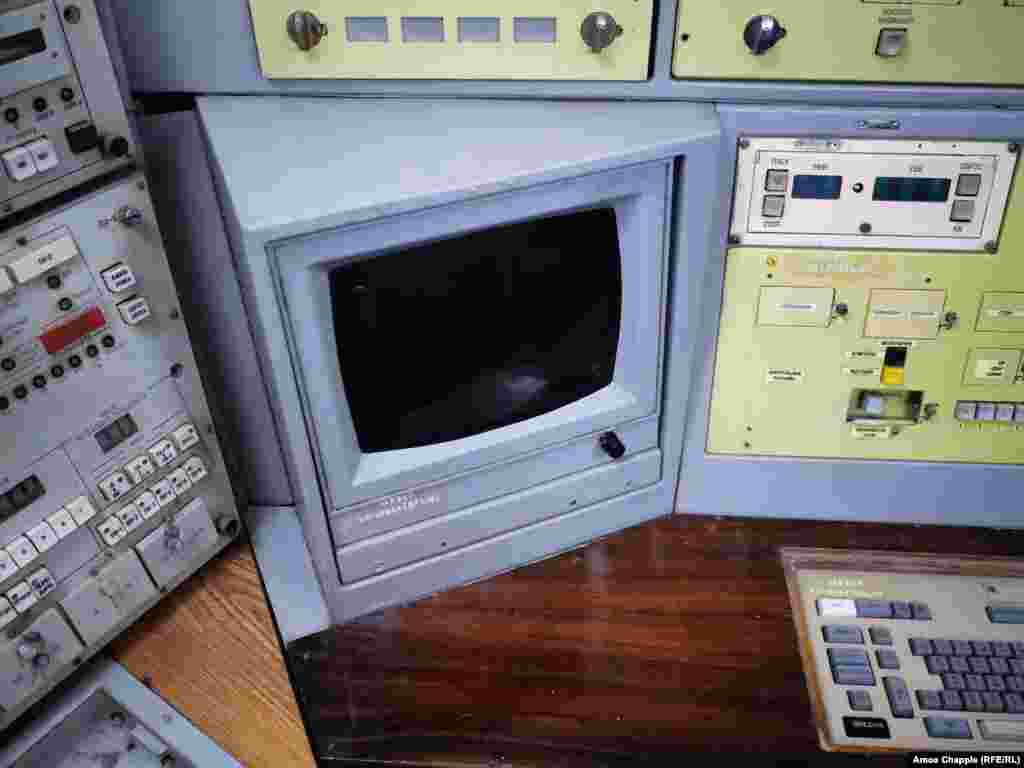

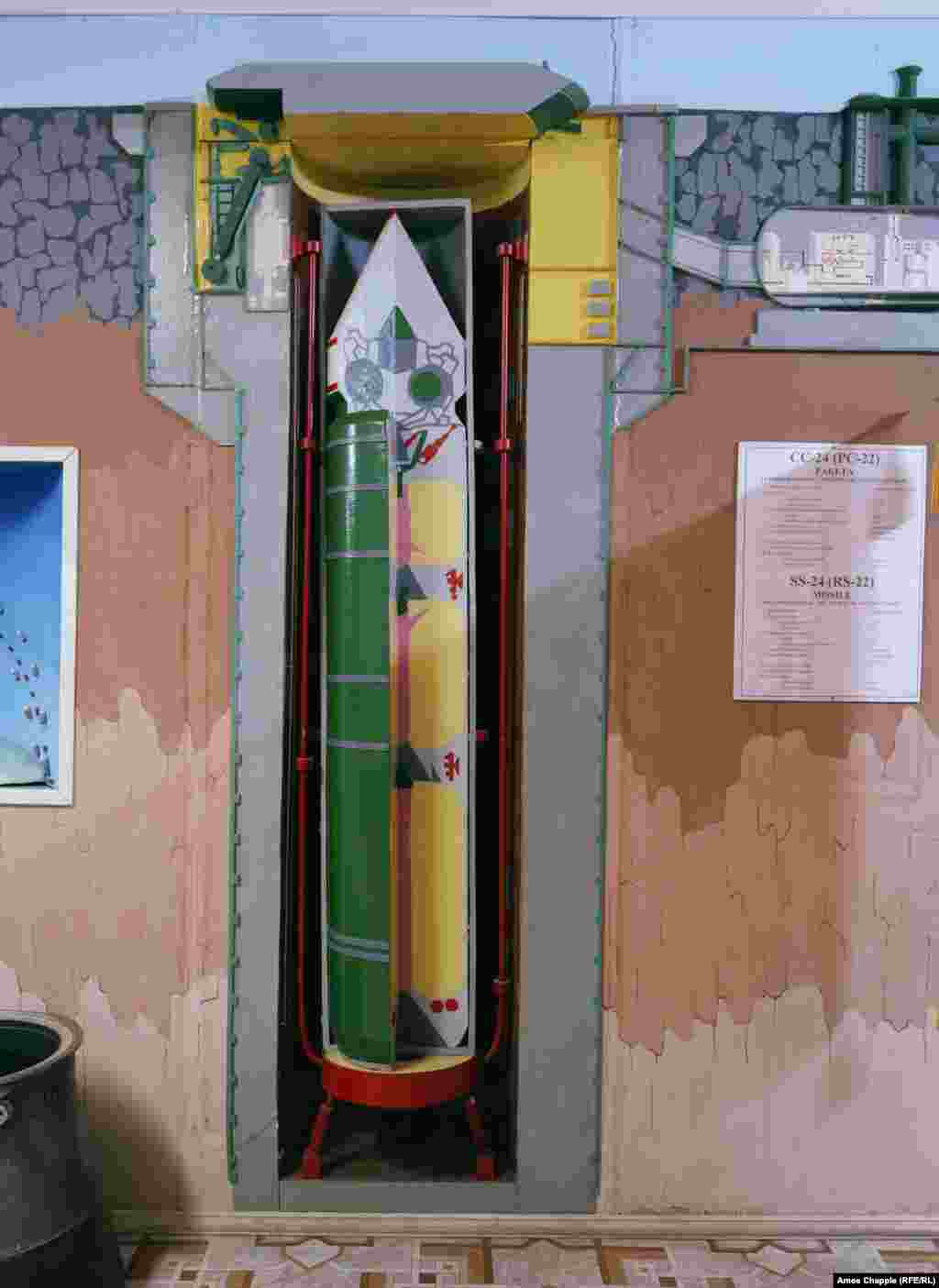
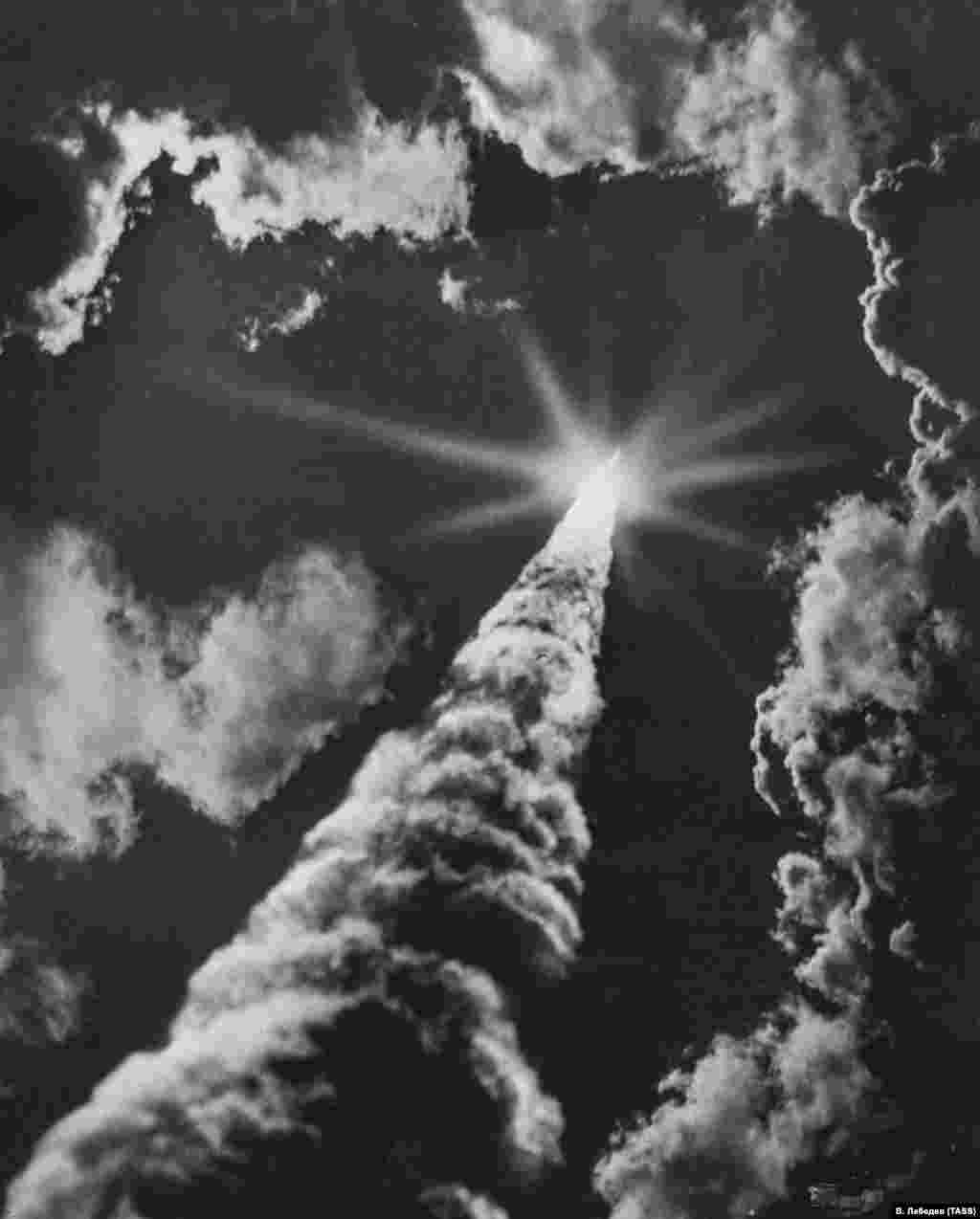
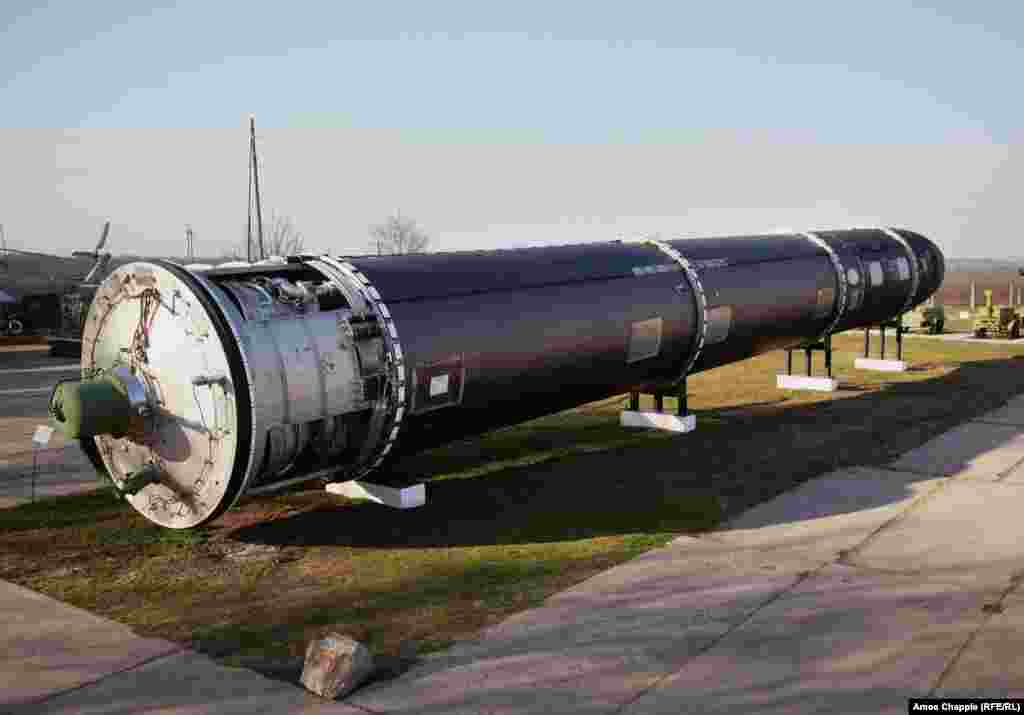
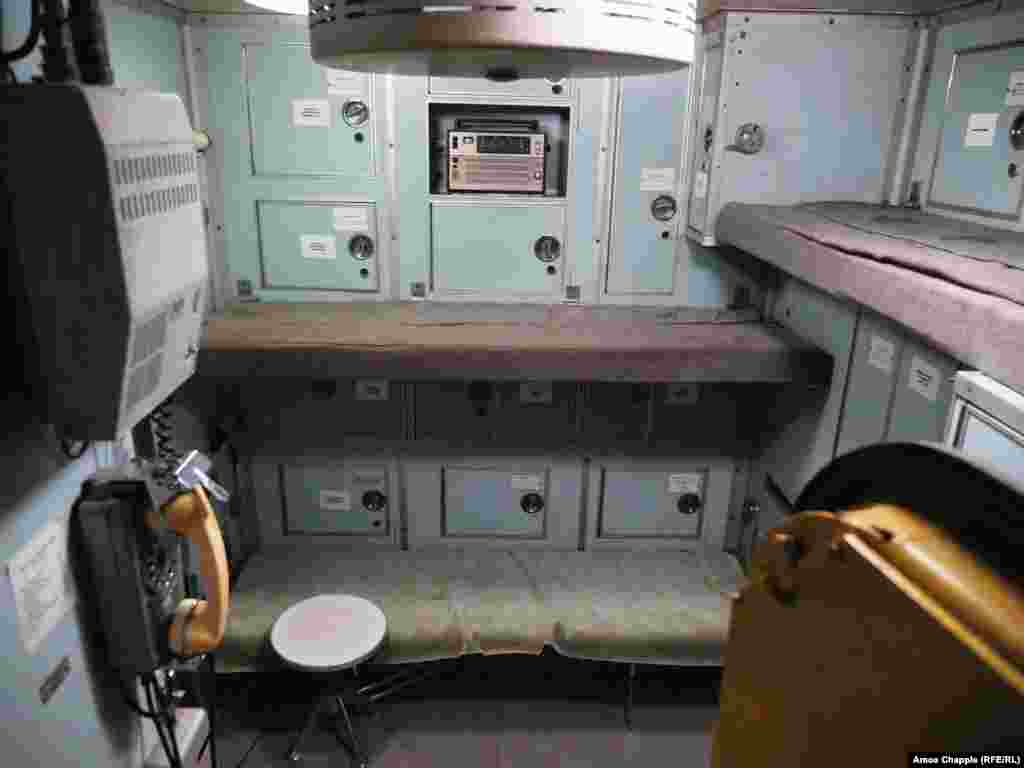
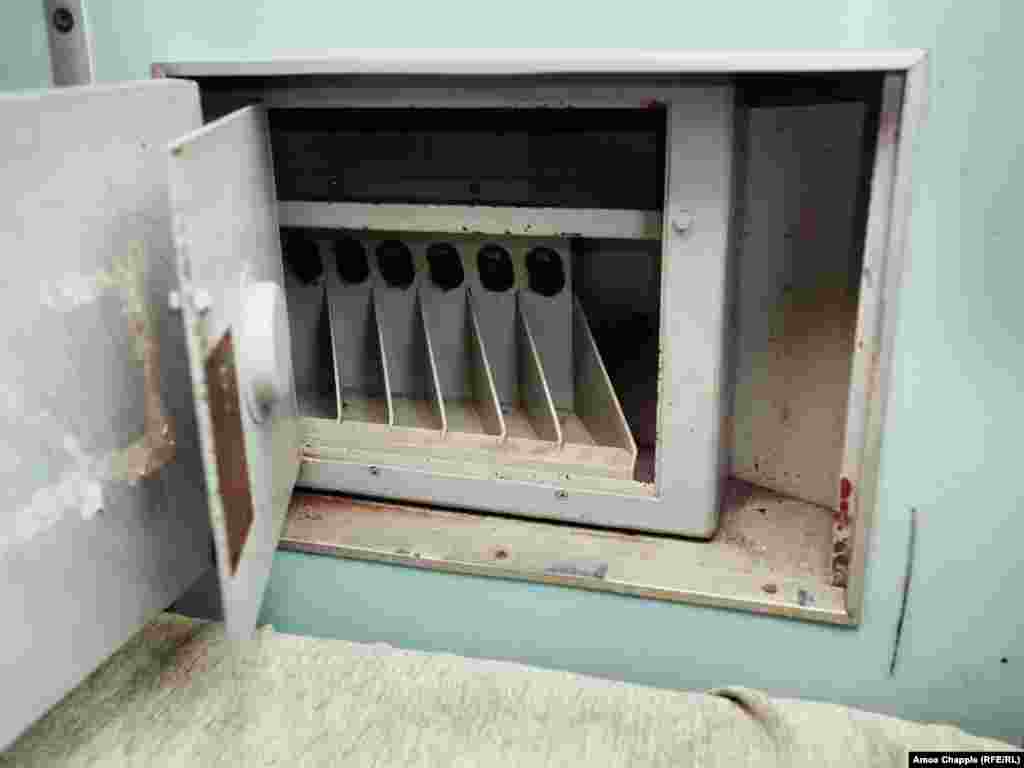
Here's more on the latest debate developments from RFE/RL's Ukrainian Service:
Ukraine Presidential Election Debate Hits New Snag
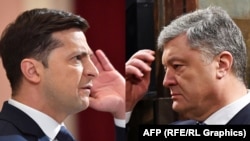
KYIV -- Talks over a potential presidential election debate between Ukrainian President Petro Poroshenko and challenger Volodymyr Zelenskiy appear to have hit another snag over the starting time for the event.
Late on April 16, Oleh Medvedev, the spokesman for Poroshenko, said the president would not participate in a debate on April 19 at Kyiv's Olimpiyskiy Stadium after Zelenskiy allegedly rejected a time frame of 4 p.m. to 6 p.m. for the event.
Zelenskiy’s team did not immediately confirm the latest discussions.
Hours earlier, Medvedev had announced that advisers to both candidates had signed a contract with the sports facility to hold a debate there on April 19, but he cautioned that the two candidates' teams were still discussing the rules for the event.
"So far, we have different visions," he said.
Medvedev said Zelenskiy’s team had demanded that the debate begin at 7 p.m.
That, he said, would make it impossible for the candidates to appear for a second debate ordered by the Central Election Commission (CEC) to begin later the same day at the Public Television studios.
Medvedev said that, according to campaign law, a debate should be held at the Public Television studios and broadcast live between 7 p.m. and 10 p.m., making it impossible for him to attend a debate starting at 7 p.m. at the stadium.
Poroshenko "will go primarily to the Public Television [debate] because that is required by the law, and the rest is optional," the spokesman said.
The two candidates and their teams have been arguing over a potential debate between the men ahead of the April 21 runoff election, leading to a series of mixed signals and theatrical actions by both.
Zelenskiy has insisted that the debate be held on April 19 at the stadium.
Poroshenko had originally insisted it be held on a different date and at a different site, but he later said he would meet Zelenskiy at the stadium on April 14.
Poroshenko went to the sports facility on that date and spoke to reporters and supporters, but Zelenskiy did not show up.
"It was not me who proposed the site of the event -- it was a certain man," Poroshenko told the audience, standing next to an empty lectern bearing Zelenskiy's name.
Meanwhile, a group of some 20 Ukrainian news outlets on March 16 issued an open letter urging Zelenskiy to answer their questions ahead of the runoff election and to stop "ignoring" the media.
"During your election campaign, you made dozens of videos that became news," it said.
"You gave a number of interviews to selected media before the first round of elections, but over the past few weeks, you personally have avoided direct and full-fledged communication with domestic journalists."
Zelenskiy, a political newcomer and comedian who plays a president in a TV series, won the March 31 first round of the national elections by a wide margin over Poroshenko, but he did not receive enough support to avoid the runoff.
Most polls indicate Zelenskiy enjoys a commanding lead over Poroshenko ahead of the second round.
The president's favorability ratings have tumbled in recent years as the economy has struggled and as the government continues to battle pro-Russia separatists in eastern Ukraine and the country's Crimea region remains under Russian control.