




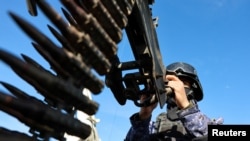
At least 12 US troops were wounded, two of them seriously, according to media reports, when Iran struck Prince Sultan Air Base in Saudi Arabia with at least one missile and several drones, as Yemen's Houthi rebels launched their first missiles at Israel since the war began, threatening to broaden a conflict now in its fifth week.
The soldiers were inside a building at the base when it was struck, The New York Times and The Wall Street Journal reported, citing unnamed officials. Several aerial refueling planes also suffered damage.
The Pentagon and US Central Command did not immediately comment.

Iran has kept up sustained retaliatory attacks on Persian Gulf nations it accuses of serving as a launchpad for US strikes, which began in a joint operation with Israel on February 28. Thirteen Americans have been killed since the conflict began -- seven in the Gulf and six in Iraq -- with more than 300 others wounded. The US military said 273 of those had already returned to duty.
The Saudi strike was part of a broader wave of Iranian attacks across the region. Authorities in Bahrain said they extinguished a fire at a targeted facility, while the United Arab Emirates (UAE) said its defense teams were engaging Iranian missiles and drones early on March 28.
Fires broke out in an Abu Dhabi industrial zone, injuring five people. Senior UAE official Yousef Al Otaiba wrote in The Wall Street Journal that a "simple cease-fire isn't enough," calling for a coordinated international effort to address Iran's nuclear capabilities, missiles, drones, and proxy forces, and said the UAE was prepared to join efforts to reopen the Strait of Hormuz, through which roughly one-fifth of the world's crude oil and liquefied natural gas passes in peacetime.

Israel said it was striking targets across Tehran in what has become an almost nightly operation and earlier targeted a uranium-processing facility and a heavy water reactor in central Iran. Iranian missiles struck six sites in and around Tel Aviv on March 27, killing one person.
Trump Blasts NATO
As casualties mounted, US President Donald Trump used his appearance at a Saudi-sponsored investment forum in Miami on March 27 to deliver his sharpest broadside yet against NATO, whose members have refused to join the Iran campaign or help secure the Strait of Hormuz ahead of a cease-fire.
"NATO made a terrible mistake when they wouldn't send a small amount of military armament, when they wouldn't just even acknowledge what we were doing for the world and taking on Iran," Trump said. "They just weren't there."

Trump also appeared to threaten the alliance with scaled-back participation, saying, "Why would we be there for them if they're not there for us? We spend hundreds of billions of dollars a year on NATO, hundreds, protecting them, and we would have always been there for them, but now, based on their actions, I guess we don't have to be, do we?"
The remarks are likely to alarm European allies already rattled by Washington's posture toward the alliance. NATO's total military budget in 2025 stands at around $5.3 billion, with the United States contributing roughly $842 million -- a fraction of the Pentagon's overall budget of more than $882 billion for the current fiscal year.
Houthis Strike Israel
The Houthi entry into the conflict marked a potentially significant escalation. The Yemen-based, Iran-aligned group launched missiles at Israel on March 28 -- their first such attack since the war began -- with Israel saying it intercepted one.
The Houthis warned their operations would continue until what they called the "aggression" on all fronts had ended. The group had signaled a day earlier that they were prepared to act if strikes against Iran and its regional allies continued.
In Photos: Week Four Of The Iran War
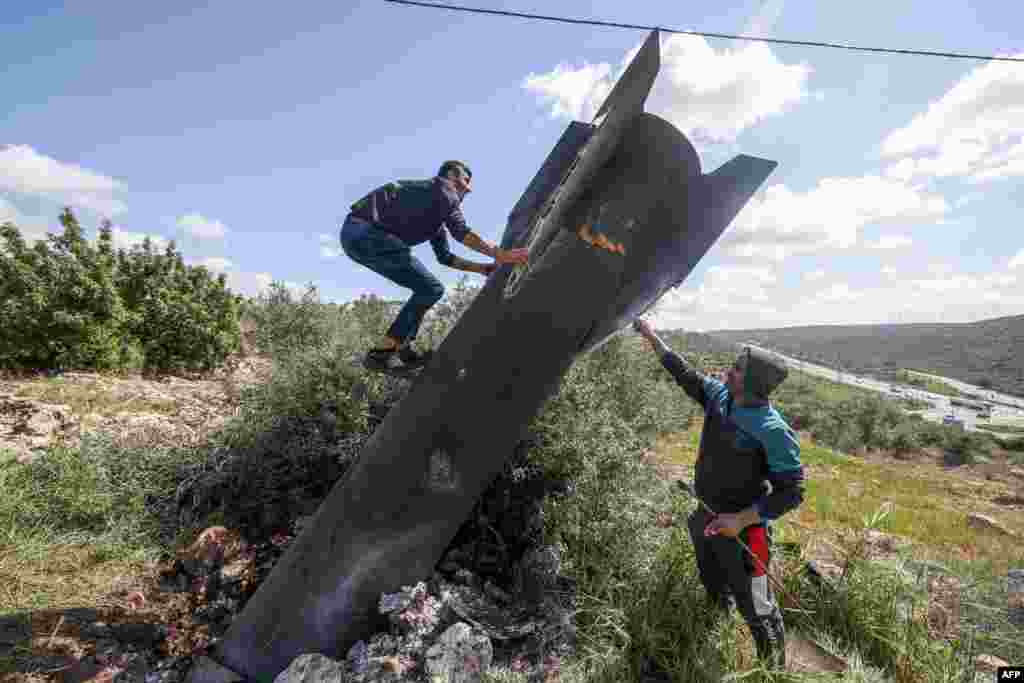
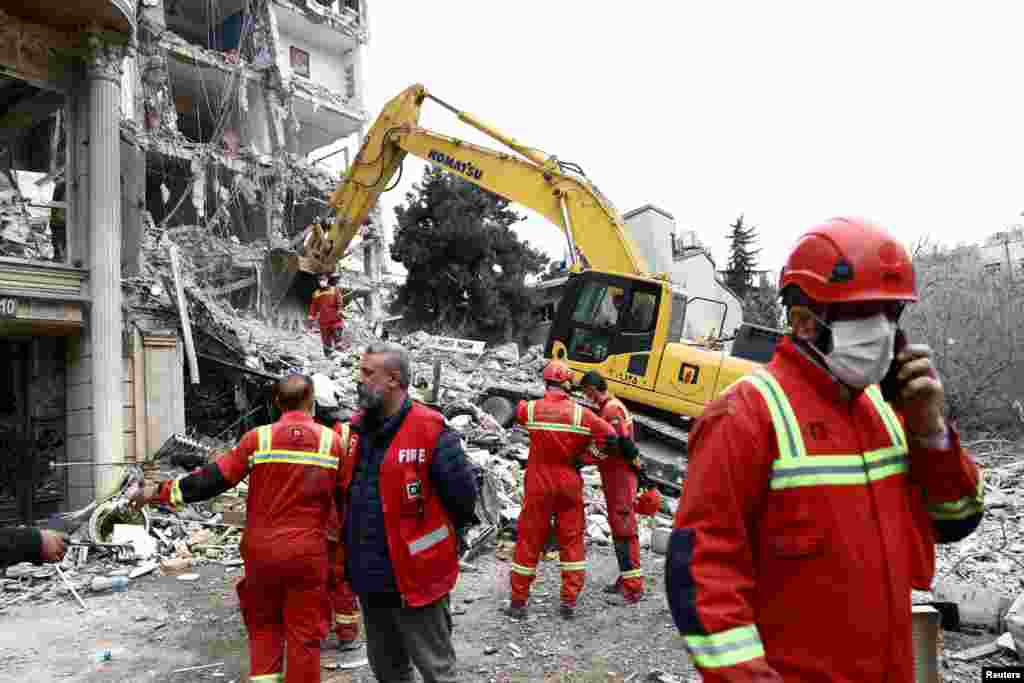
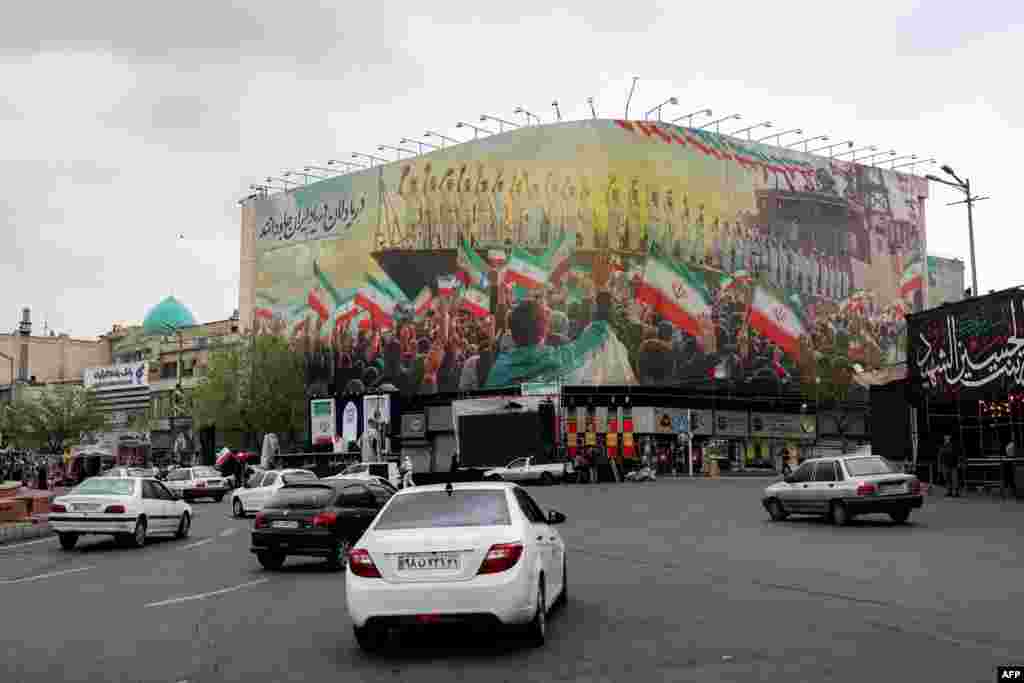
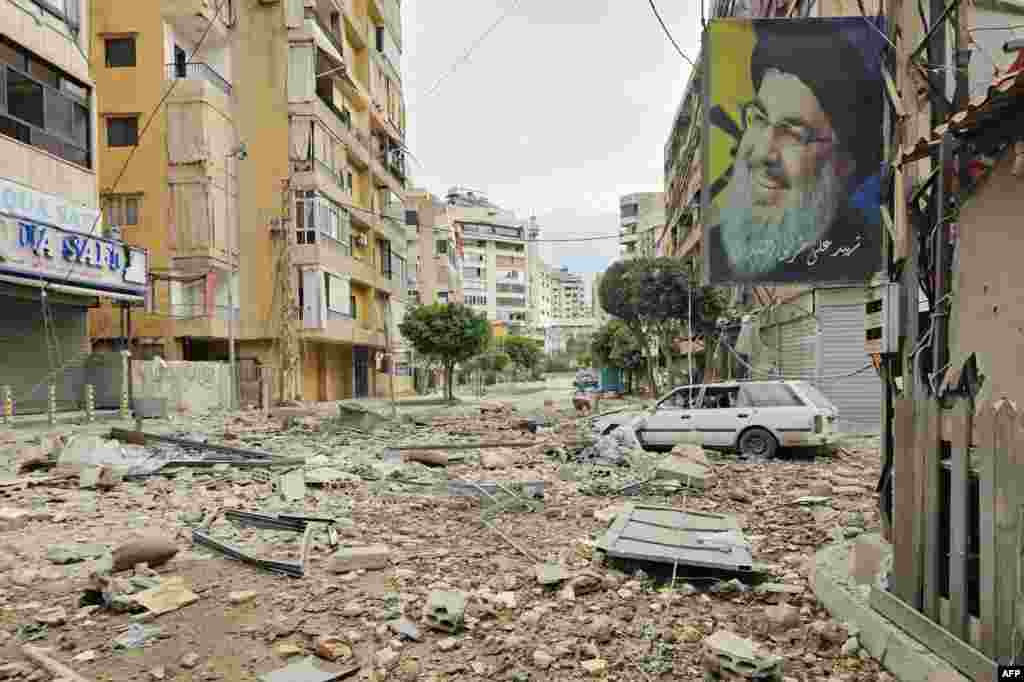

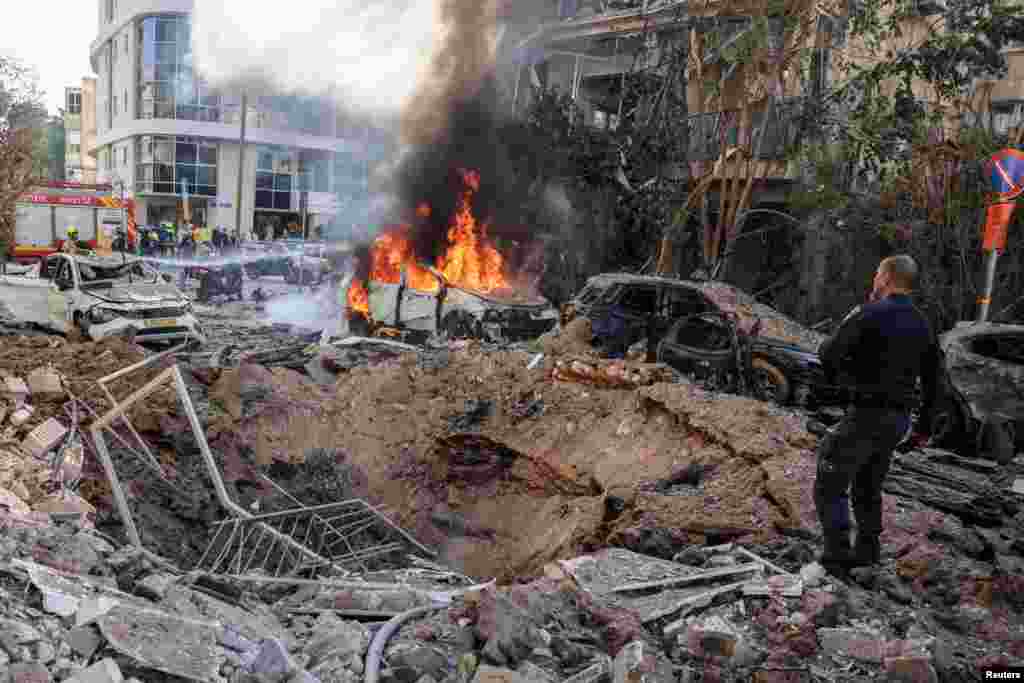
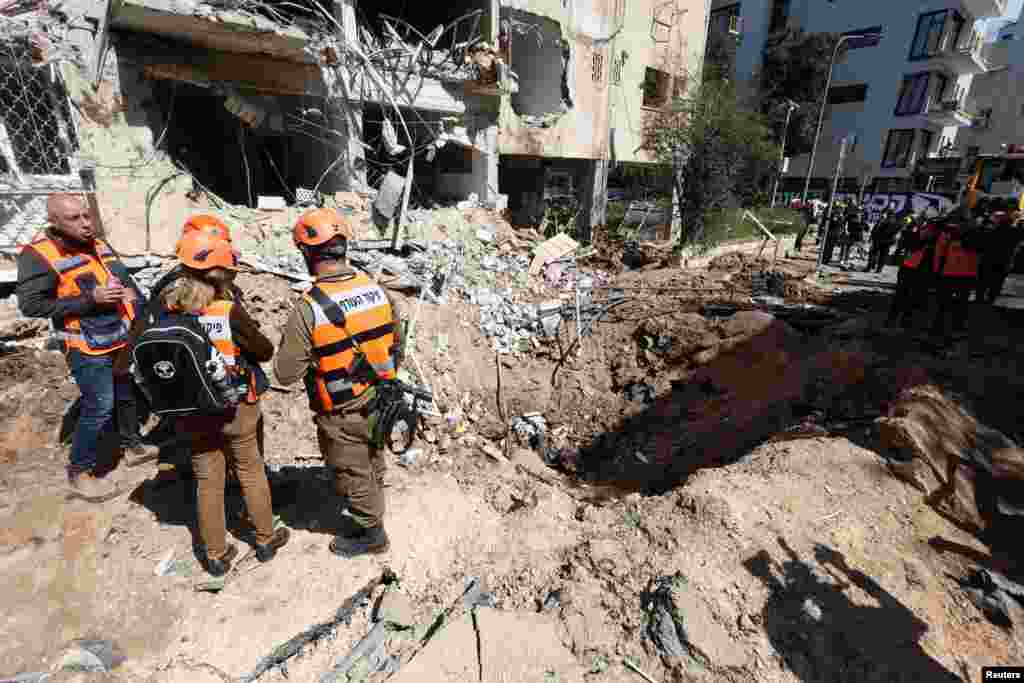

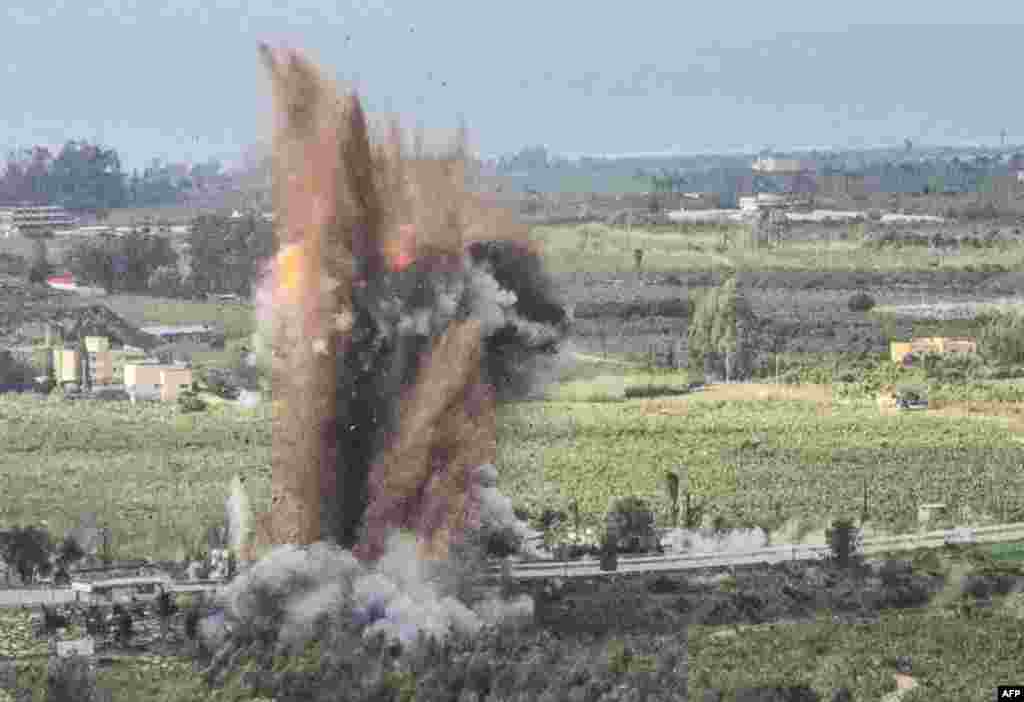
A US-designated terrorist organization, the Houthis' involvement risks prolonging a war that has already drawn in US forces, Gulf Arab states, and Israel across multiple fronts. Observers warn that a full Houthi entry into the conflict would send shockwaves through global energy markets given the group's ability to threaten shipping in the Bab al-Mandab Straitthat and the Red Sea.
War Ends In ‘Weeks, Not Months’
On the diplomatic front, Secretary of State Marco Rubio, speaking on the sidelines of a G7 meeting in France, said the United States had not yet received a formal response from Iran and suggested contacts had been indirect, but said Washington was "on or ahead of schedule" and expected to wrap up military operations in "weeks, not months."
He also pressed European and Asian nations that benefit from trade through the Strait of Hormuz to contribute to efforts to secure free passage.
Trump insisted Iran is "on the run" and that talks were ongoing. Special envoy Steve Witkoff said Washington had a "15-point deal on the table" awaiting a response from Tehran. Senior Iranian officials have denied that any negotiations are under way, though Iran said on March 25 that it was reviewing the US proposal and put forward five conditions for ending the conflict.