




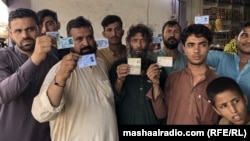
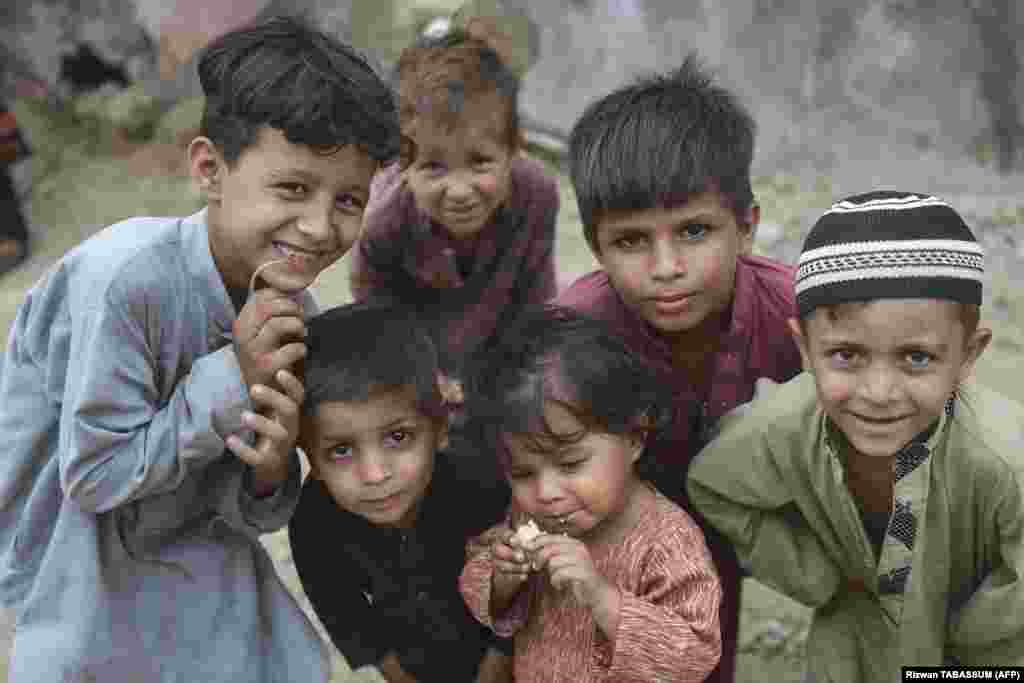
Pakistan's order for all “illegal” Afghan migrants to leave the country has left millions -- including long-term residents and holders of valid documents -- living in fear of being forcibly returned to the country they fled.
Some 3.7 million Afghans fleeing war, poverty, and political upheaval in their homeland currently reside in Pakistan, according to the United Nations, with Islamabad putting the number as high as 4.4 million.
But Pakistani officials say that only about 1.4 million Afghans hold the necessary documentation -- largely Proof of Registration (PoR) cards -- allowing them to remain in Pakistan legally.
While Pakistan has insisted that its October 3 order that all unauthorized asylum-seekers must leave voluntarily or be deported by November 1 only affects 1.7 million "illegal migrants," the move by Islamabad has left Afghans, documented or not, worried that they will be forced to leave.
Many tell RFE/RL that their possession of official status does not spare Afghans, who make up the vast majority of migrants in Pakistan, from detention by the authorities.
"Every night, every day, in every corner of Pakistan, they detain immigrants who have legal documents," Nawid Shahab, an Afghan migrant, told RFE/RL's Radio Azadi on October 4. "They detain migrants who have PoR cards, and they detain migrants who are undocumented. There is no difference between them."
Others with official status say they are subjected to shakedowns.
"Local police fleece money from us because we are Afghan refugees, even though we have our PoR cards," said Bahadar Khan, who has lived in the port city of Karachi for 35 years.

And even those with long-established roots in Pakistan express fear that they now face deportation to a "home" country they never lived in.
"I’m married with two children. I was born here in Pakistan and have never been to Afghanistan in my life," Naseer Ahmad, a resident of Karachi whose family has lived in Pakistan for 45 years, told RFE/RL's Radio Mashaal. "But now, after the government decision, I will be forced to leave."
Abbas Khan, Pakistan's commissioner of Afghan refugees, dismissed suggestions that Afghans bearing legal documentation would be targeted by this week's order.
"Afghans holding PoR cards number around 1.4 million. And police can't arrest someone who has a PoR card," Khan told Radio Mashaal on October 4.
However, he suggested that those holding Afghan Citizen Cards (ACC), separate identification documents that had allowed Afghan asylum-seekers to remain in Pakistan, could now be subject to the new order.
"Another 800,000 Afghans have Afghan Citizen Cards," he said, explaining that they were given to undocumented Afghans in 2016 in cooperation among the governments of Afghanistan and Pakistan and the Office of the United Nations High Commissioner for Refugees (UNHCR). "They agreed that those citizens would be gradually returned to Afghanistan. But that did not happen."
A Popular Refuge
Pakistan has been a popular refuge for Afghans for decades, beginning during the 1979-1989 Soviet occupation. Others fled fighting during the ensuing Afghan civil war and the Taliban's first stint in power from 1996 to 2001. Millions of Afghans returned to their homeland following the U.S.-led invasion that toppled the Taliban from power.
But after the Taliban seized power again in 2021 amid the withdrawal of international forces, an estimated 700,000 more Afghans left for Pakistan to escape a devastating economic and humanitarian crisis and possible retribution by the Taliban.
The result, Pakistani caretaker Interior Minister Sarfraz Bugti claimed on October 3, is that 1.7 million Afghans are now in the country "illegally."
"Anyone living in the country illegally must go back," he said in announcing the order. "If they do not go... then all the law enforcement agencies in the provinces or federal government will be utilized to deport them."
Bugti also said that, after November 1, law enforcement agencies would confiscate the properties and businesses of illegal migrants. He said Afghans will only be allowed to travel to Pakistan using valid passports and visas, which many Afghans have experienced difficulties obtaining under the Taliban.
Pakistan Is Planning To Deport More Than 1 Million Illegal Afghan Refugees
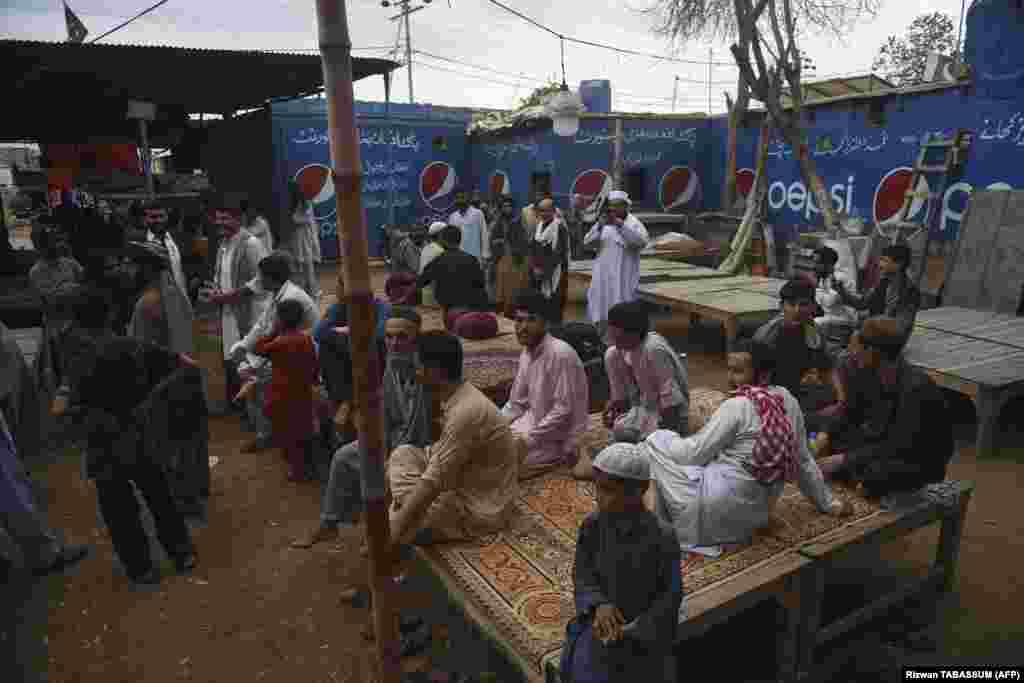
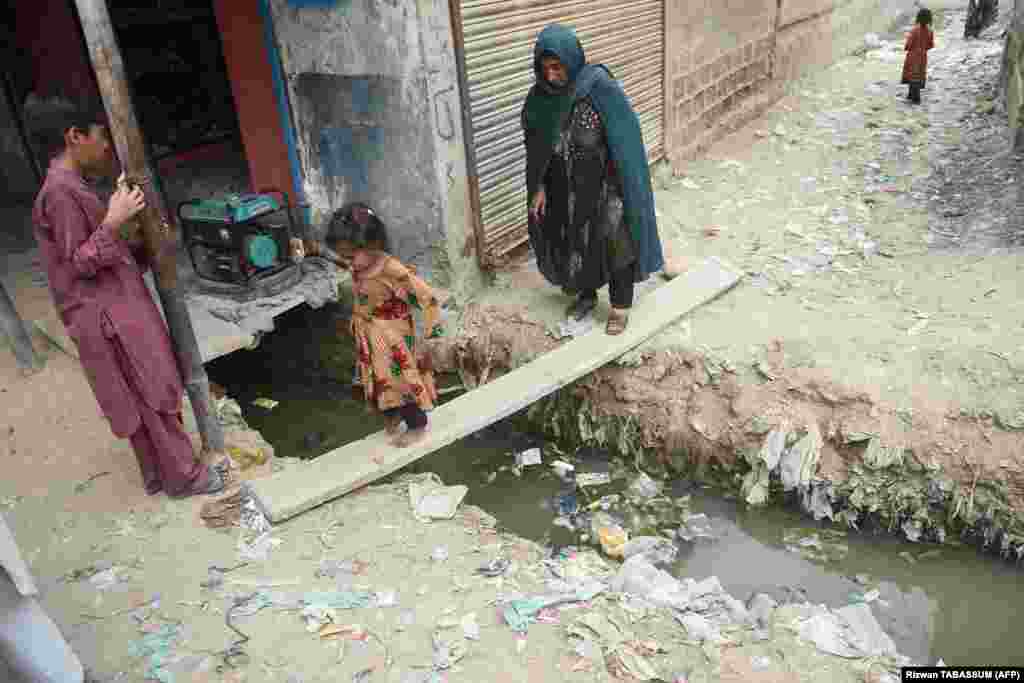
![Afghan shopkeepers wait for customers at a shop at a refugee camp.<br />
<br />
The government's repatriation announcement comes amid a crackdown on Afghan refugees. <br />
<br />
"The government has directed the police and other [law enforcement] organizations to arrest Afghans living illegally in Sindh and elsewhere in the country," Kamran Tissori, the governor of Sindh, told journalists on September 11.<br />
](https://gdb.rferl.org/01000000-0aff-0242-5d55-08dbc0c6ee45_w1024_q10_s.jpg)
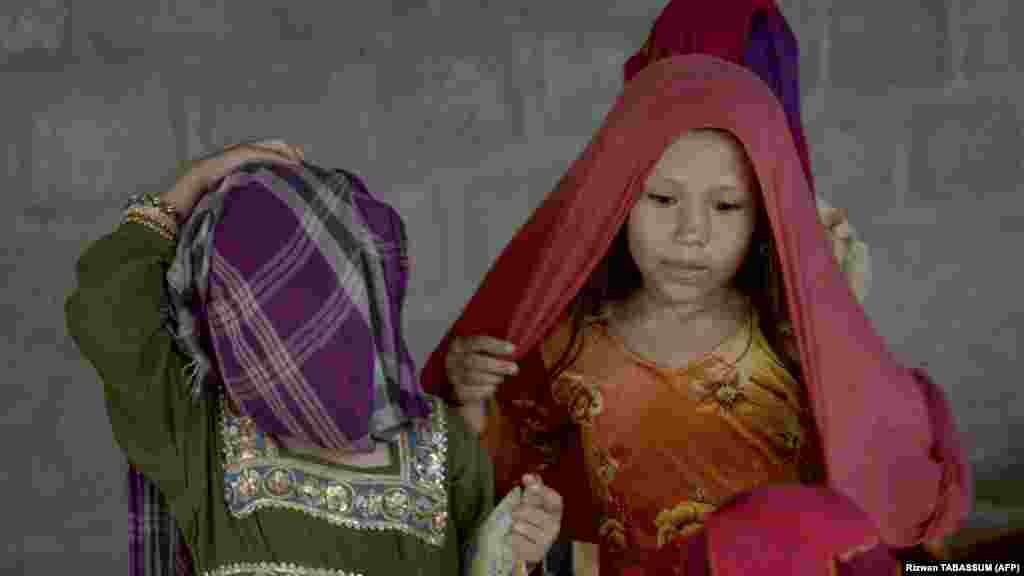
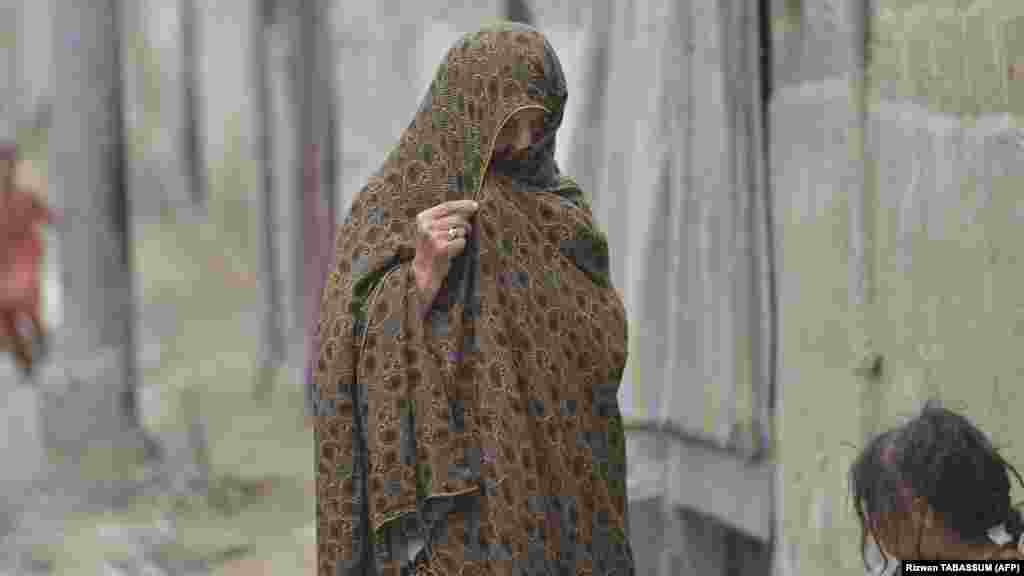
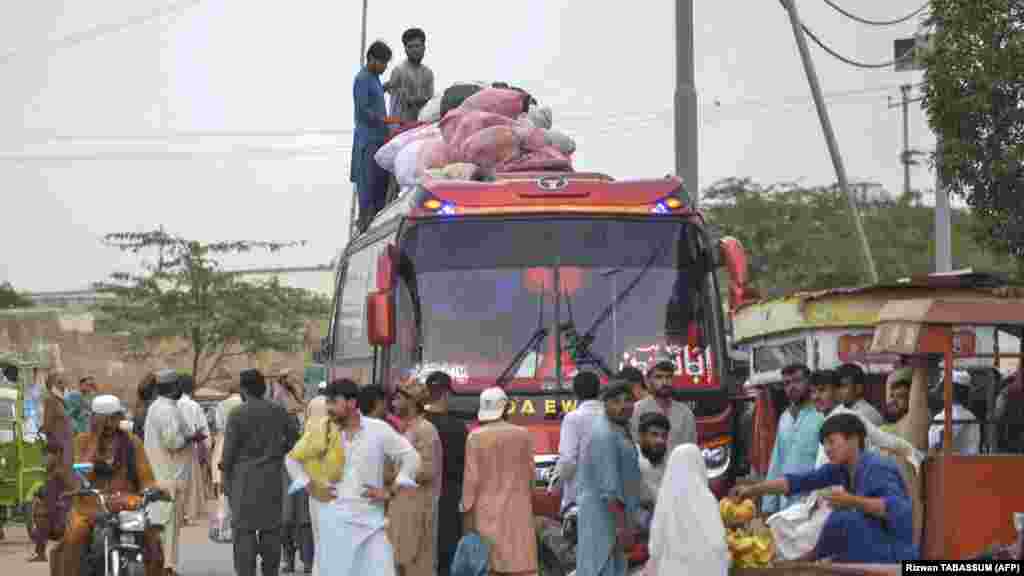
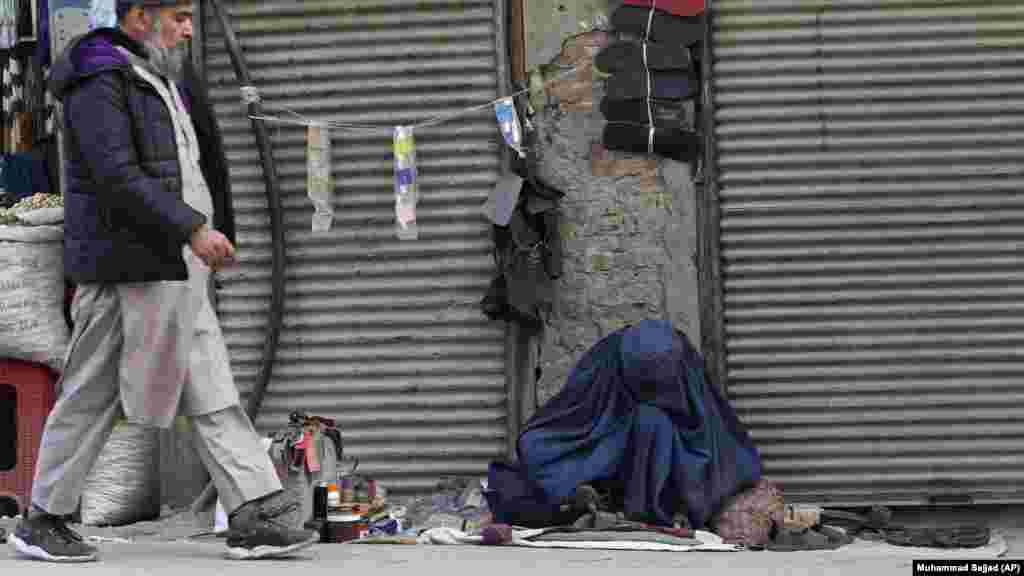
While Bugti said that the crackdown was not aimed specifically at Afghans, it was clear they would be the most affected group of migrants in Pakistan.
International law enshrines the right to seek refuge in a foreign country, and rights watchdogs have criticized the move by Pakistan to force asylum-seekers to leave.
Zaman Soltani, a South Asia researcher at Amnesty International, told Radio Azadi on October 4 that Islamabad should immediately reverse its decision.
"We demand that any forced deportation of migrants and those who seek asylum be halted," Soltani said. "Those who fled Afghanistan are asking for asylum and protection in Pakistan.”
“Most of these asylum seekers are former government employees, activists, journalists, or others who are facing threats, torture, and detention by the Taliban in Afghanistan," Soltani added.
The action comes amid increasing tensions between Islamabad and the Taliban, with the Pakistani government claiming that its territory has come under attack by Taliban-allied militants who shelter across the border in Afghanistan.
This has led to speculation that Islamabad's order, made by a caretaker government that is expected to rule until elections are held in January, is a response to the attacks.
In his interview with Radio Mashaal, Khan suggested that the increased number of illegal Afghan migrants following the Taliban's return to power in Kabul in 2021 has created concerns about their possible role in instability in border regions.
"I would not say that they are responsible for the law and order situation," Khan said. "But I can say that when larger number of foreigners live in a country and they don't have legal documents, that creates doubts. And that creates problems even for the genuine refugees."
Khan added that "as far as our office is concerned, we have not seen any involvement of any registered Afghan refugees in terrorism."
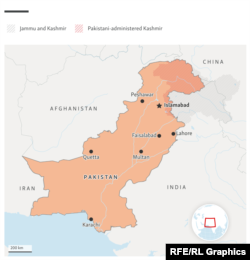
Bugti, the interior minister, did directly reference two deadly attacks that took place last week in southwestern and northwestern Pakistan along the country’s 2,600-kilometer border with Afghanistan as reasons for the government's order for unauthorized Afghans to leave the country.
The Taliban has said that Pakistan's plans to push out Afghans was "unacceptable." “Afghan refugees are not involved in Pakistan’s security problems," Taliban government spokesman Zabihullah Mujahid wrote on October 4 on X, formerly known as Twitter.
The Afghan Embassy in Islamabad has said that Pakistani counterterrorism police have detained about 1,000 Afghan refugees over the past two weeks. Some 800 were detained in the capital in a single day, the Taliban-led Afghan Refugee Council in Pakistan told Radio Azadi, of which about half who had valid travel or residency documents were subsequently released.
Some 200 illegal Afghans were arrested during a roundup in the southwestern Balochistan Province, where one of the two attacks took place last week, according to regional government representative Hamza Shafqat.
In a separate announcement in the provincial capital, Quetta, on October 4, caretaker Information Minister Jan Muhammad Achakzai alleged that "of the 24 suicide attacks carried out in Pakistan in 2023, Afghans were in involved in 14 attacks."
An elder at the Quetta Muslim Bagh Refugee Camp, Malak Nadar Khan, denied in comments to Radio Mashaal that Afghans were involved in terrorism in Pakistan.
"We are peaceful people. We are not involved in terrorism. We request the government to withdraw its decision to forcefully expel Afghan refugees."

