
Accessibility links

Breaking News
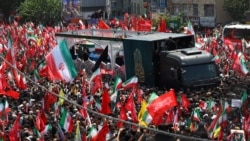
A truck carrying the coffins of Iran's late Supreme Leader Ayatollah Ali Khamenei and family members killed in an air strike in February makes its way through the streets of Tehran on July 6.

live Khamenei Funeral Procession Begins With Heavy Security, Airspace Curbs In Tehran

As the US-Israeli war with Iran continues to impact and shape the region, journalists from RFE/RL's Central Newsroom and Iranian service, Radio Farda, deliver ongoing updates and analysis.

Key Takeaways

  • Iranian Supreme Leader Mojtaba Khamenei was absent as funeral prayers for his father and predecessor, Ayatollah Ali Khamenei, were held early on July 5.
  • United Kingdom Maritime Trade Operations, a shipping security monitor, said on July 5 that it had received a report that a cargo vessel was under attack by unknown armed assailants about 30 nautical miles southwest of Yemen.
09:41 22.1.2026

Watchdog Warns Of Coordinated Wikipedia Editing Amid Iran Crackdown

Neutral Point of View (NPOV), a UK-based investigative outlet focusing on the coordinated manipulation of digital knowledge platforms, says that as Iran's authorities violently suppress nationwide protests, a group of editors supporting the Islamic republic have been simultaneously engaged in efforts "to control how these events, and Iranian history more broadly, are recorded on Wikipedia."

"The dual strategy is deliberate," the watchdog says in its report. "Kinetic violence silences dissent at home. Digital propaganda shapes the narrative abroad. Together, they form what Supreme Leader Ali Khamenei calls “vindication jihad” -- a soft war in the information space designed to rewrite reality itself."

NPOV says that Wikipedia's page for the latest protests in Iran, which erupted last month, "remains well-sourced" but the pattern established in previous cases is clear: once protests fade from headlines -- once internet blackouts prevent real-time documentation and bodies are quietly buried—coordinated editors move in to reshape the historical record."

"This is what authoritarian information warfare looks like in 2026," the organization warns, adding that the Islamic republic "isn't just killing protesters. It's erasing the evidence that they existed at all."

NPOV also noted that in a previous investigation it identified editing patterns on Wikipedia consistent with a coordinated, multiyear campaign to whitewash the Islamic republic’s human-rights record.

A Wikipedia editor RFE/RL's Radio Farda spoke to said that they had not observed such activity on the Persian-language edition of the online encyclopedia, suggesting instead that the effort was likely focused on English-language or other foreign-language Wikipedia pages.

08:19 22.1.2026

Iran Among 'Worst Jailers Of Journalists,' Says Media Watchdog

The Committee to Protect Journalists has included Iran on its list of the "world's worst jailers of journalists" in a special report published on January 21.

The media rights watchdog also said that "nearly one-third of imprisoned journalists’ profiles included reports of mistreatment, including 20% with claims of torture or beatings" and that the "greatest number of torture and beating claims since 1992 have occurred in Iran."


07:41 22.1.2026

Elsewhere, the NetBlocks digital rights watchdog says the Internet blackout in Iran had now passed the two-week mark.

It also had this point to make about The Wall Street Journal's decision to publish an op-ed from Iranian Foreign Minister Abbas Araqchi on Tuesday, defending Iran's crackdown on protesters.

Read more on Iran's ongoing nationwide blackout here.

07:30 22.1.2026

Good morning. We'll start the live blog today with the news that the US-based rights organization HRANA says the death toll in the Iranian protests has now passed 4,900 and that there are more than 9,000 more cases under review.

22:39 21.1.2026

We are now closing the live blog for today. We'll be back again tomorrow morning at 7:30 a.m. Central European time to follow the latest developments in Iran.

22:38 21.1.2026

Trump Says He Hopes There Won't Be A Need For 'Further Action' On Iran
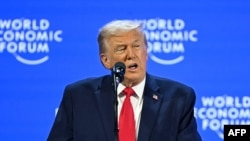
US President Donald Trump at the World Economic Forum in Davos on January 21.

In an interview with CNBC after his speech to the World Economic Forum in Davos on January 21, US President Donald Trump addressed the situation in Iran, saying he hoped further action by the United States would not be necessary following the recent protests.

“We hope there’s not going to be further action,” he said. “But you know they are shooting people indiscriminately on the streets…”

Trump went on to reiterate that he had intervened to prevent the execution of hundreds of protesters.

“They were going to hang 837 people on Thursday [January 15],” he said. “I told them you can’t do that. If you do that, it’s going to be bad. I don’t want to go with exactly what I said, but nasty… and they canceled it, hopefully permanently.”

Turning to economic pressure, Trump reaffirmed that he would still be "going forward" with plans to impose a 25 percent tariff as well as sanctions on countries doing business with Iran.

He then returned to the question of Iran’s nuclear program.

Referring to US strikes on Iranian nuclear sites in June, Trump suggested Washington would be prepared to take similar action again if he believed Iran was continuing to pursue a nuclear weapon.

“They’ve got to stop with the nuclear,” he said. “They keep experimenting with nuclear and at some point they’re going to get the idea that they can’t do that. They’re just not going to be able to do that. Can’t let them have it.”

19:49 21.1.2026

800 International Filmmakers Condemn Iranian Government’s ‘Crimes Against Humanity’
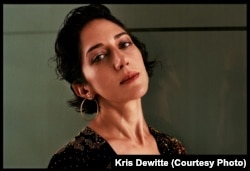
Iranian-French actress and producer Zar Amir Ebrahimi is among those who have signed the stateent. (file photo)

Eight hundred filmmakers from various countries -- including well-known figures such as French actresses Juliette Binoche and Marion Cotillard, Greek director Yorgos Lanthimos, and French writer and filmmaker Florian Zeller -- have issued a statement condemning the Islamic republic’s harsh crackdown during recent anti-government demonstrations.

Instead of “listening to the people’s voices” after “widespread and peaceful protests…against repression, poverty, discrimination, and structural injustice,” the filmmakers said, the Islamic republic “has chosen to respond with live ammunition, mass killings, widespread arrests, torture, enforced disappearances, and a nationwide internet shutdown.”

The statement also said Tehran’s actions “represent a blatant and systematic violation of all fundamental human rights, including the right to life, liberty, human dignity, and security, and constitute a clear case of crimes against humanity.”

Internationally recognized Iranian filmmakers who signed the statement include Zar Amir Ebrahimi, Goldshifteh Farahani, Sepideh Farsi, and Shirin Neshat.

19:00 21.1.2026

Former Iranian Empress Calls 'National Day Of Mourning'
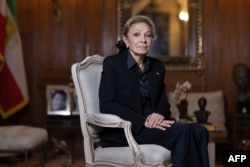
Former Iranian Empress Farah Pahlavi

Iran's former empress, Farah Pahlavi, says she is declaring a "National Day of Mourning " on January 23 "to be observed by all freedom loving Iranians throughout the world, and request that we all join in one minute of silence at 12:00 noon, local time, to honor our fallen children."

"The blood that has been shed by thousands of our compatriots in Iran cannot be ignored nor be trampled on," the widow of Iran's last shah said, referencing the recent wave of protests that was brutally suppressed by Iranian authorities. "The brave children of Iran have sacrificed their lives and poured their blood at the roots of the saplings of freedom."

Pahlavi, 87, added that "light will prevail over darkness" and urged Iranians not to rest until their "homeland regains its freedom."

16:37 21.1.2026

Witkoff: US Not Currently Negotiating With Iran

US special envoy Steve Witkoff, speaking on behalf of the Trump administration, said the US isn't negotiating with Iran now, although "we’ve had contact with them.”

Speaking in an interview with CNBC on the sidelines of the World Economic Forum in Davos, Switzerland, Witkoff said that "Iran is a deal that ought to happen." When pressed on details, he avoided specifics but reiterated the potential for a deal.

Protests in Iran began on December 28, 2025, in markets in the capital, Tehran, by shopkeepers angry over dismal economic conditions, including spiraling inflation and a freefall of the currency.

The unrest rapidly escalated, transforming into widespread demonstrations against the authorities over worsening living standards and the suppression of basic freedoms.

US-Iran Tensions

Long-simmering tensions between Washington and Tehran have neared boiling point during the crisis.

US President Donald Trump initially warned that the United States was "locked and loaded" and prepared to act if Iranian security forces killed protesters. He later vowed "very strong action" if Iran proceeded with any executions.

Trump later said he personally chose not to order military strikes against Iran, attributing his decision to Tehran's reported cancellation of hundreds of planned executions.

In another Davos interview, Witkoff told Arab News that Iran must come and sit at the diplomatic table.

That has to happen [Iran negotiating]," he said. "It’s important. If Iran goes, so the region goes, and so we have to get that straight.”

Witkoff insisted that the Middle East was moving in the right direction.

“I think it’s amazing what’s happening. Everybody is, I think, working together towards peace," the envoy said. "Everyone’s bought into President Trump’s ideas about border peace, and I think I’m very hopeful.”

16:12 21.1.2026

Gutted Mosques, Eerie Calm In Tehran After Uprising

Photos released on January 19 and 20 show the aftermath in Tehran of massive protests that swept Iran over recent weeks before being crushed by the country's security apparatus.

Gutted Mosques, Eerie Calm In Tehran After Unrest
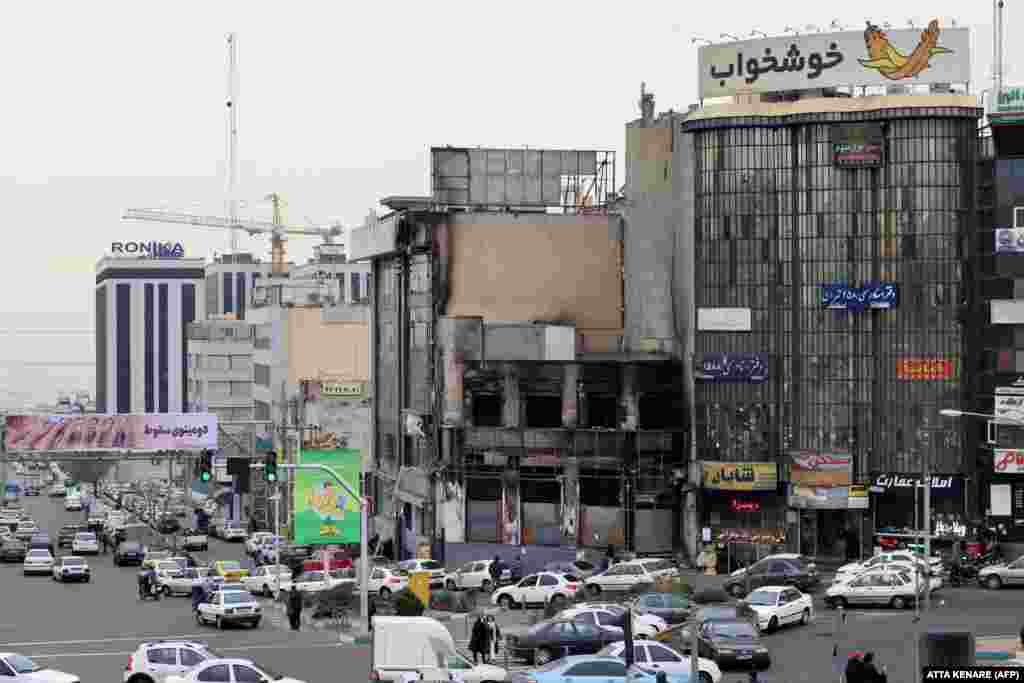
A building in Tehran that was torched during the biggest protests seen in Iran since the Islamic Revolution of 1979.<br><br><br>
1/11 A building in Tehran that was torched during the biggest protests seen in Iran since the Islamic Revolution of 1979.


Photos released on January 19 and 20 show the aftermath in Tehran of massive protests that swept Iran over recent weeks before being crushed by the country's security apparatus.
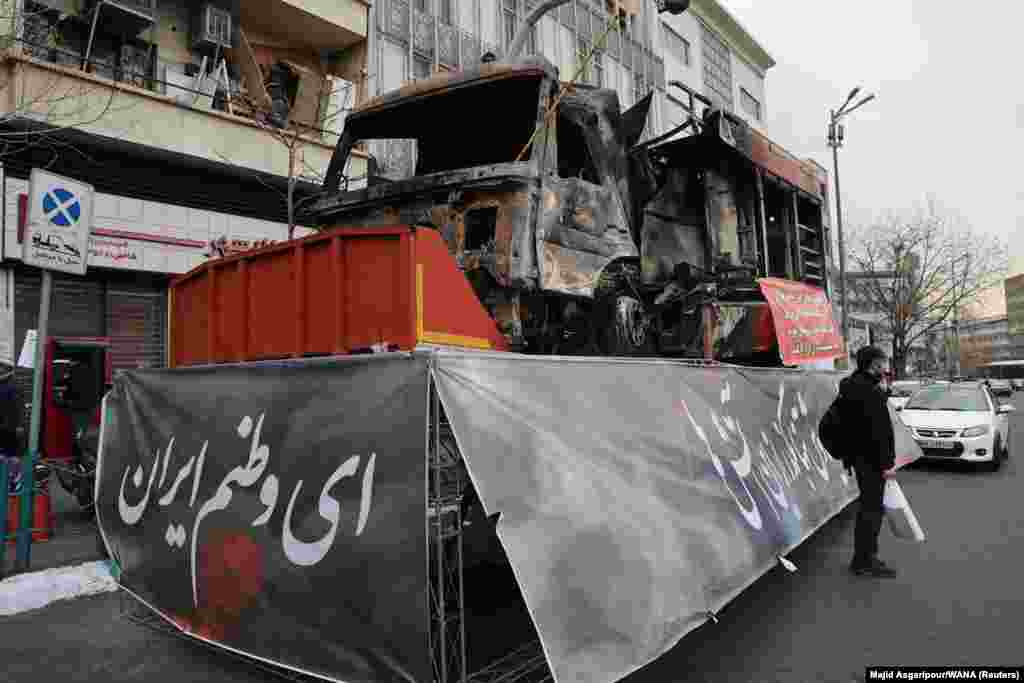
A fire truck that was burned during the unrest on display in Tehran. A Persian banner around the truck says: "Iran, o my country."<br><br>Mass unrest began in Tehran on December 28 amid a collapse in the value of Iran's currency, coupled with surging inflation.<br>
2/11 A fire truck that was burned during the unrest on display in Tehran. A Persian banner around the truck says: "Iran, o my country."

Mass unrest began in Tehran on December 28 amid a collapse in the value of Iran's currency, coupled with surging inflation.
Photos released on January 19 and 20 show the aftermath in Tehran of massive protests that swept Iran over recent weeks before being crushed by the country's security apparatus.
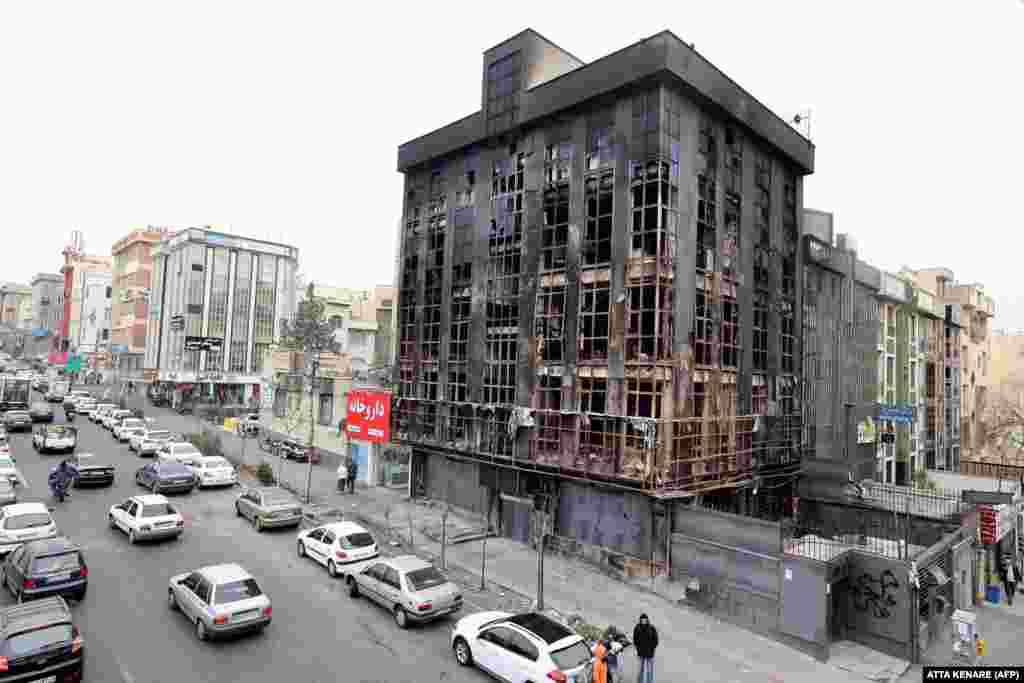
A burned-out building in central Tehran.<br><br>US-based rights group <a href="https://www.en-hrana.org/day-twenty-four-of-the-protests-continued-communications-blackout-and-international-warnings-of-crimes-against-humanity/" target="_blank" class="wsw__a" dir="ltr"><strong>HRANA </strong></a>says more than 4,500 people were killed throughout Iran amid a crackdown on the protests, with tens of thousands arrested.<br><br><br><br>
3/11 A burned-out building in central Tehran.

US-based rights group HRANA says more than 4,500 people were killed throughout Iran amid a crackdown on the protests, with tens of thousands arrested.


Photos released on January 19 and 20 show the aftermath in Tehran of massive protests that swept Iran over recent weeks before being crushed by the country's security apparatus.
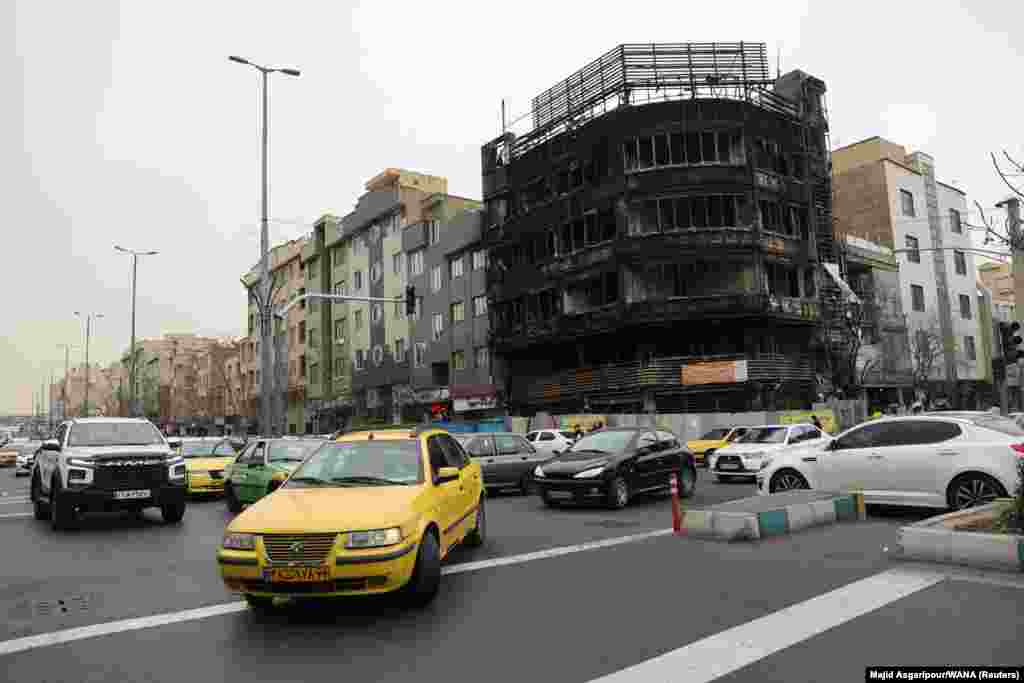
A torched building in Tehran that was linked to Ayandeh Bank, a company that collapsed in October amid corruption allegations.<br><br>Some observers say the bank's demise contributed to the economic storm that precipitated the mass protests.
4/11 A torched building in Tehran that was linked to Ayandeh Bank, a company that collapsed in October amid corruption allegations.

Some observers say the bank's demise contributed to the economic storm that precipitated the mass protests.
Photos released on January 19 and 20 show the aftermath in Tehran of massive protests that swept Iran over recent weeks before being crushed by the country's security apparatus.
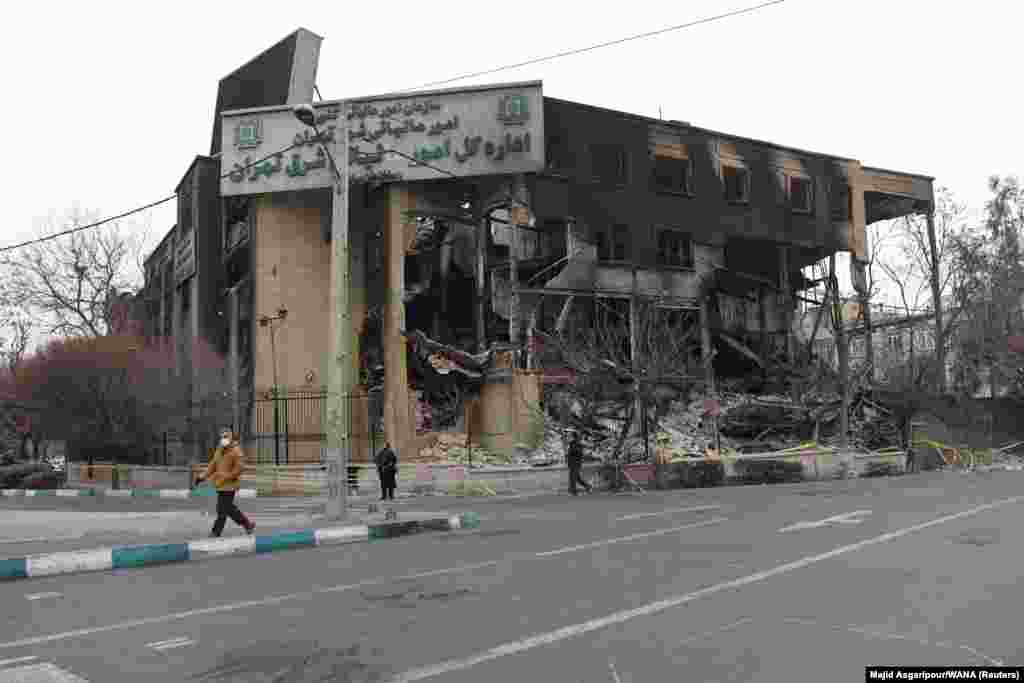
A state tax building in Tehran that was destroyed by fire during the unrest.<br><br>
5/11 A state tax building in Tehran that was destroyed by fire during the unrest.

Photos released on January 19 and 20 show the aftermath in Tehran of massive protests that swept Iran over recent weeks before being crushed by the country's security apparatus.
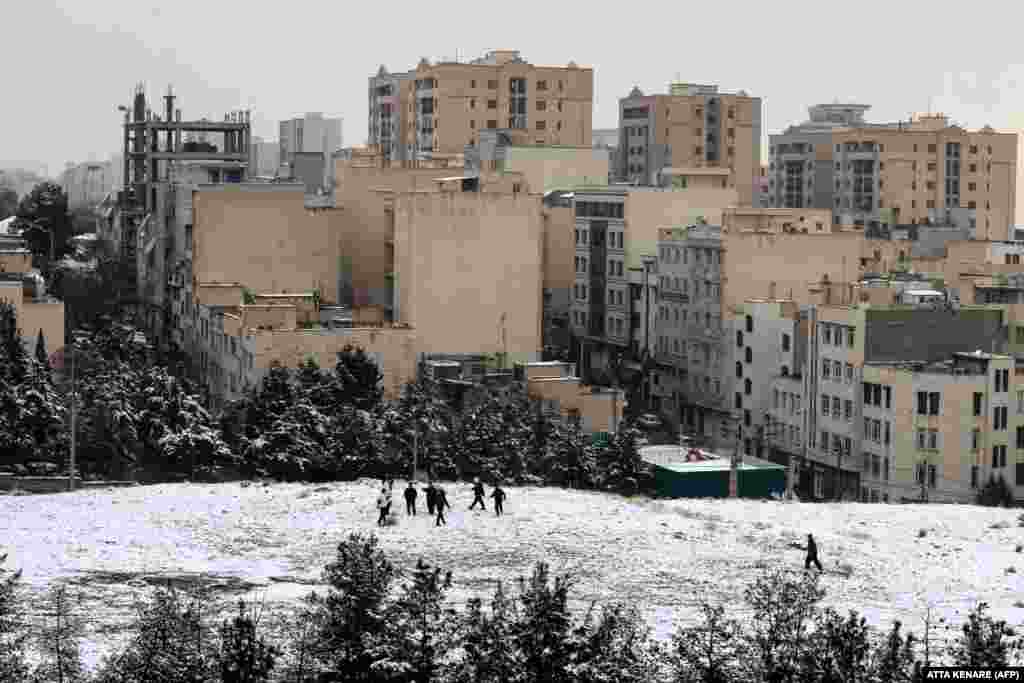
Boys play in the snow in a suburb of Tehran on January 20.<br><br>Images such as this, released by photographers accredited to work in Iran, emphasize a return to normal life after the violence of recent days, but sources <a href="https://www.rferl.org/a/iran-martial-law-protests-security/33653877.html" target="_self" class="wsw__a" dir="ltr"><strong>told RFE/RL's Radio Farda</strong></a> on January 17 that Tehran is effectively under martial law, with people being stopped at random and having their phones inspected for links to the protests.
6/11 Boys play in the snow in a suburb of Tehran on January 20.

Images such as this, released by photographers accredited to work in Iran, emphasize a return to normal life after the violence of recent days, but sources told RFE/RL's Radio Farda on January 17 that Tehran is effectively under martial law, with people being stopped at random and having their phones inspected for links to the protests.
Photos released on January 19 and 20 show the aftermath in Tehran of massive protests that swept Iran over recent weeks before being crushed by the country's security apparatus.
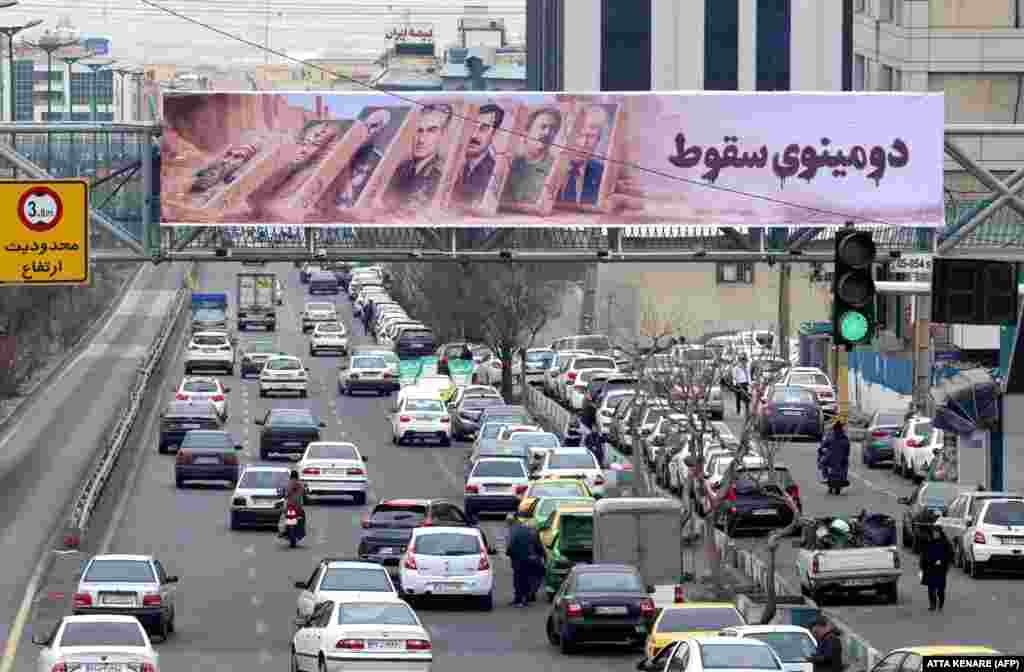
A propaganda banner showing historical leaders and US President Donald Trump. The Persian text says "dominoes fall."
7/11 A propaganda banner showing historical leaders and US President Donald Trump. The Persian text says "dominoes fall."
Photos released on January 19 and 20 show the aftermath in Tehran of massive protests that swept Iran over recent weeks before being crushed by the country's security apparatus.
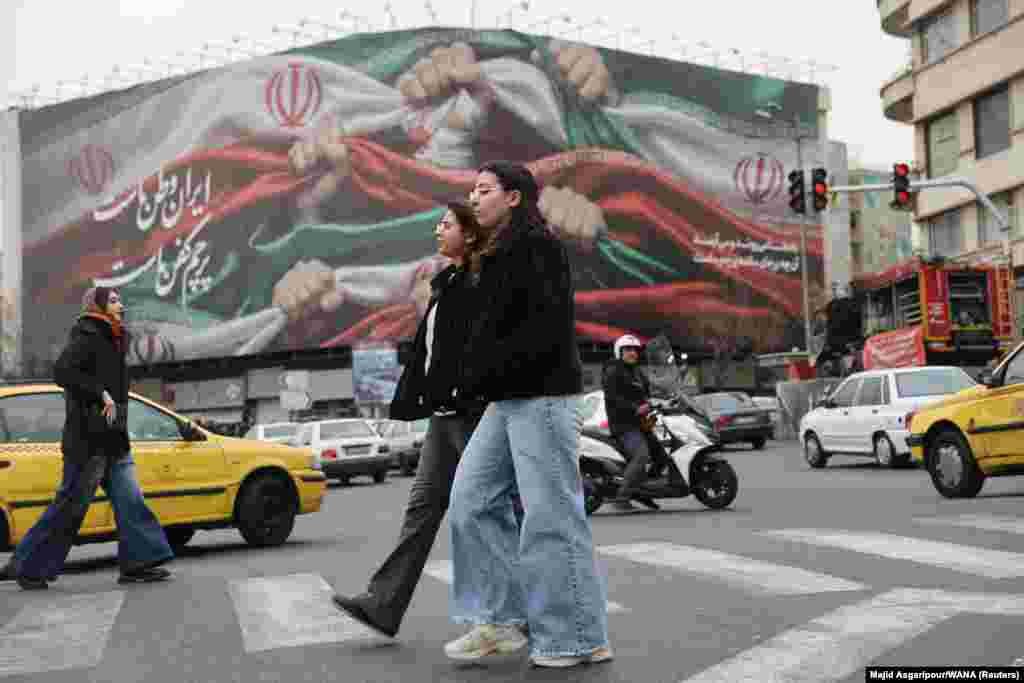
Women walk in Tehran's central Revolution Square. The banner in the background reads: "Iran is our country, its flag our burial shroud."
8/11 Women walk in Tehran's central Revolution Square. The banner in the background reads: "Iran is our country, its flag our burial shroud."
Photos released on January 19 and 20 show the aftermath in Tehran of massive protests that swept Iran over recent weeks before being crushed by the country's security apparatus.
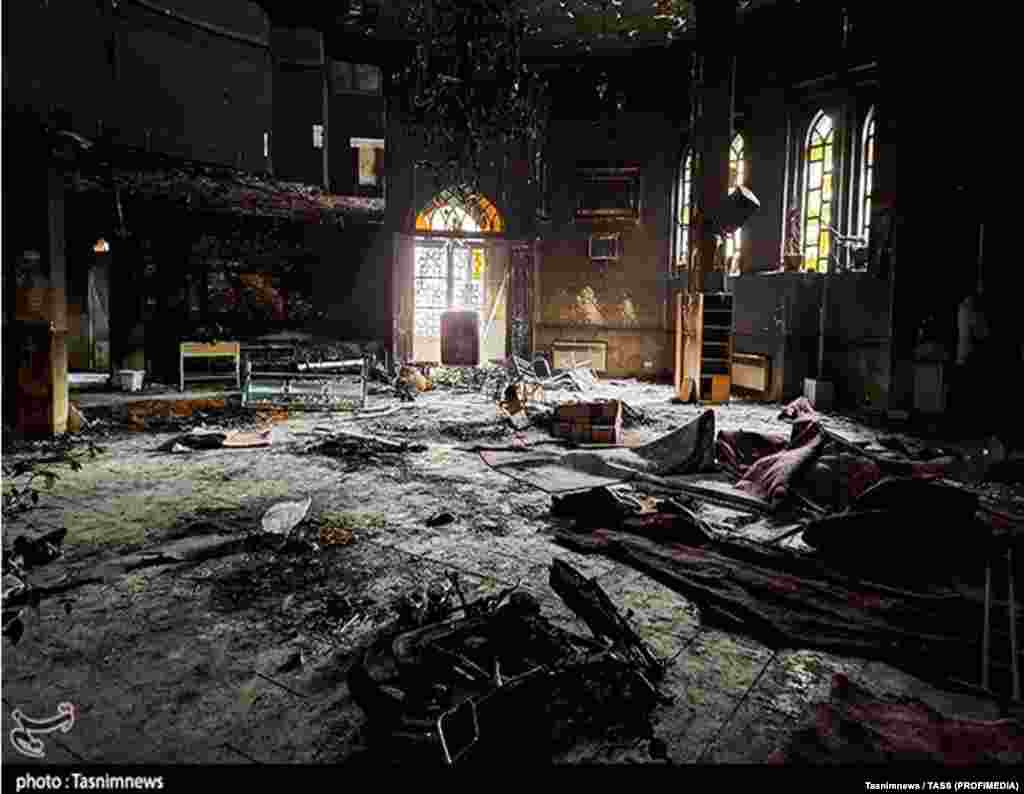
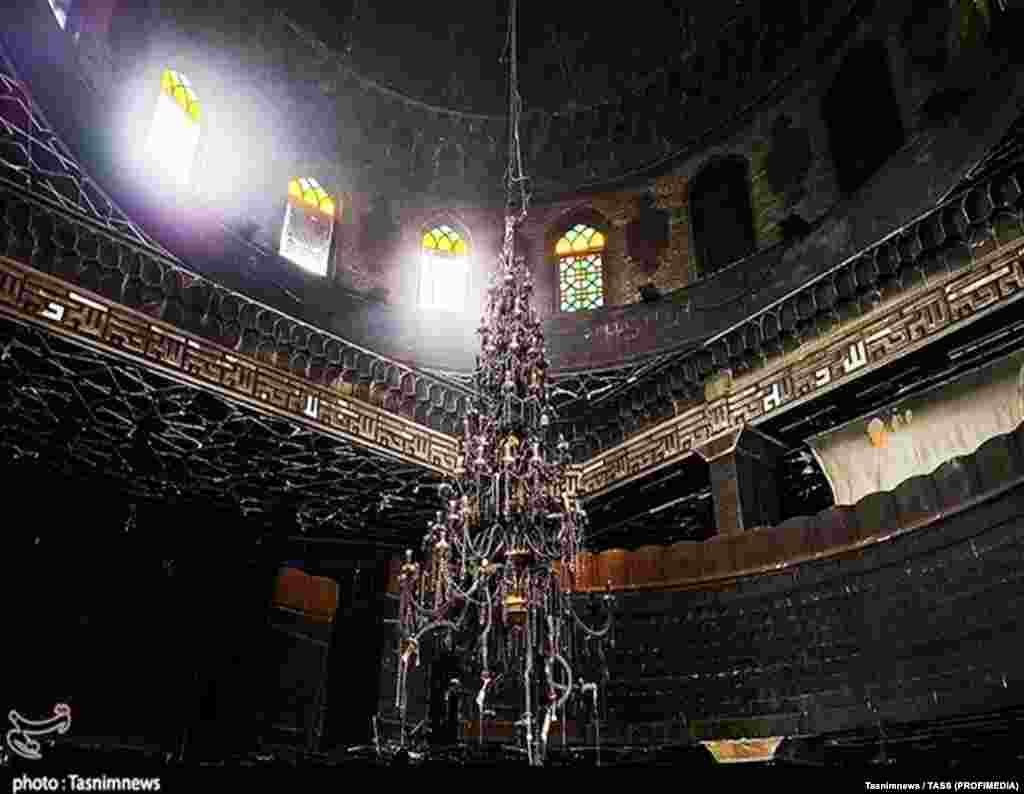
The interior of the Abuzar Mosque in Tehran after it <a href="https://www.reuters.com/video/watch/idRW604112012026RP1/" target="_self" class="wsw__a" dir="ltr"><strong>was targeted</strong> </a>during the mass uprising.<br><br>The mosque was the site of an <a href="https://en.wikipedia.org/wiki/Attempted_assassination_of_Ali_Khamenei" target="_self" class="wsw__a" dir="ltr"><strong>attempted assassination</strong> </a>of Ayatollah Ali Khamenei in 1981. Khamenei was a presidential candidate at the time and now rules the country as Iran's supreme leader.
9/11 The interior of the Abuzar Mosque in Tehran after it was targeted during the mass uprising.

The mosque was the site of an attempted assassination of Ayatollah Ali Khamenei in 1981. Khamenei was a presidential candidate at the time and now rules the country as Iran's supreme leader.
Photos released on January 19 and 20 show the aftermath in Tehran of massive protests that swept Iran over recent weeks before being crushed by the country's security apparatus.
The interior of the gutted Abuzar Mosque.<br><br>Analysts say the targeting of Mosques by protestors is in part due to many such religious buildings <a href="https://www.iranintl.com/en/202404309117" target="_self" class="wsw__a" dir="ltr"><strong>being used as recruitment and training centers</strong></a> for the Basij, a pro-regime paramilitary force.<br>
10/11 The interior of the gutted Abuzar Mosque.

Analysts say the targeting of Mosques by protestors is in part due to many such religious buildings being used as recruitment and training centers for the Basij, a pro-regime paramilitary force.
Photos released on January 19 and 20 show the aftermath in Tehran of massive protests that swept Iran over recent weeks before being crushed by the country's security apparatus.
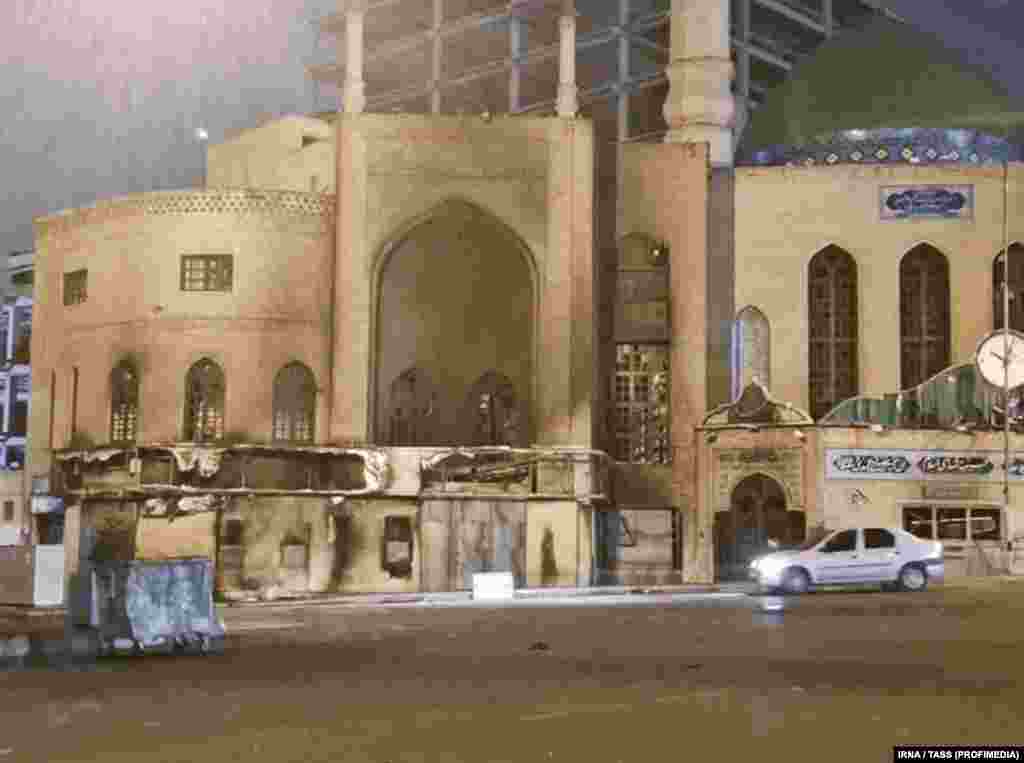
The fire-damaged Al-Rasul mosque in Tehran that was damaged by fire during the unrest.<br><br>Some say another reason for targeting mosques is the Islamist ideology at the heart of Iran's current government. "Everything the regime does -- every excuse or explanation -- is wrapped in the cloak of religion," one commentator <a href="https://www.ncregister.com/commentaries/fernandez-why-are-mosques-burning-in-tehran" target="_self" class="wsw__a" dir="ltr"><strong>wrote</strong></a>.
11/11 The fire-damaged Al-Rasul mosque in Tehran that was damaged by fire during the unrest.

Some say another reason for targeting mosques is the Islamist ideology at the heart of Iran's current government. "Everything the regime does -- every excuse or explanation -- is wrapped in the cloak of religion," one commentator wrote.
Photos released on January 19 and 20 show the aftermath in Tehran of massive protests that swept Iran over recent weeks before being crushed by the country's security apparatus.
Previous slide
Next slide

Load more

XS
SM
MD
LG