





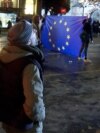
TBILISI -- Thousands of protesters took to the streets of the Georgian capital on December 7 following a violent crackdown the night before by riot police against demonstrators angered by the government’s decision to suspend talks on joining the European Union.
Violence broke out again late in the night, as witnesses said journalists and others were beaten by groups of men in street clothes while nearby security personnel did not attempt to intervene.
Many of the protesters were calling for the release of fellow demonstrators arrested in previous rallies. Georgian police reported that 48 people had been detained the night before.
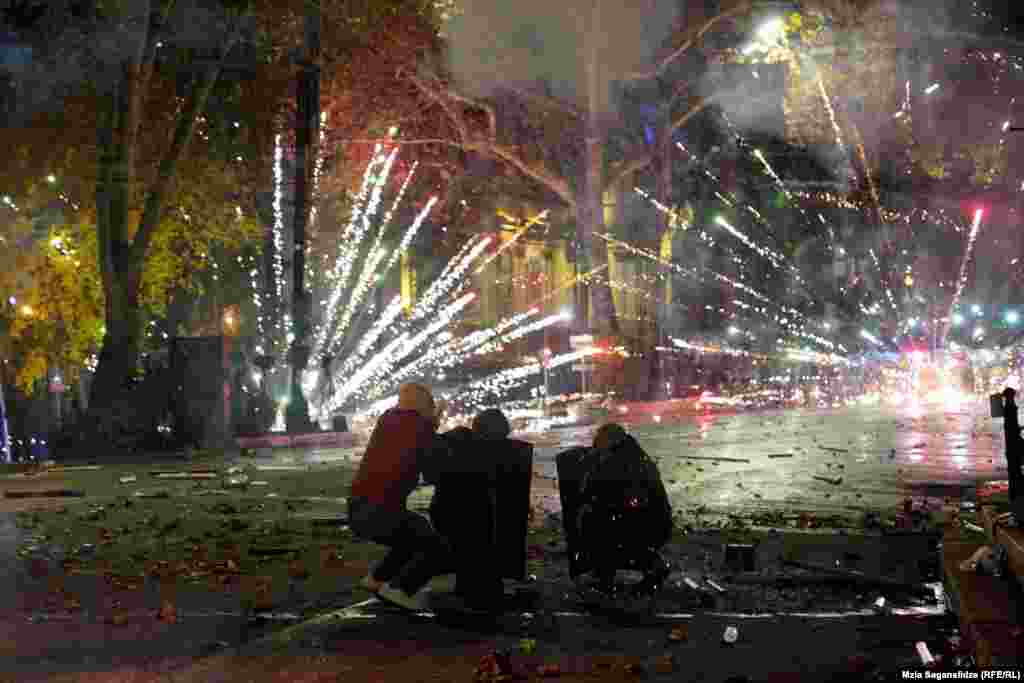
In the previous night's demonstration – which started late on December 6 -- riot police began dispersing protesters gathered on Rustaveli Avenue in front of the parliament building at about 12:30 a.m. on December 7.
Special forces detained several people at Republic Square by 1:30 a.m. local time on December 7. They had mobilized earlier on Rustaveli Avenue about 600 meters away from the main center of the demonstration on Republic Square.


Among those detained is Tsotne Koberidze, a member of the Tbilisi City Council from the opposition party Girchi (More Freedom), RFE/RL reported. A young woman who had been standing in front of the cordon for several minutes was also detained.
Warning messages urging protesters to disperse continued as the riot police attempted to break up the protest on Rustaveli Avenue. Demonstrators moved away from the avenue but did not disperse.
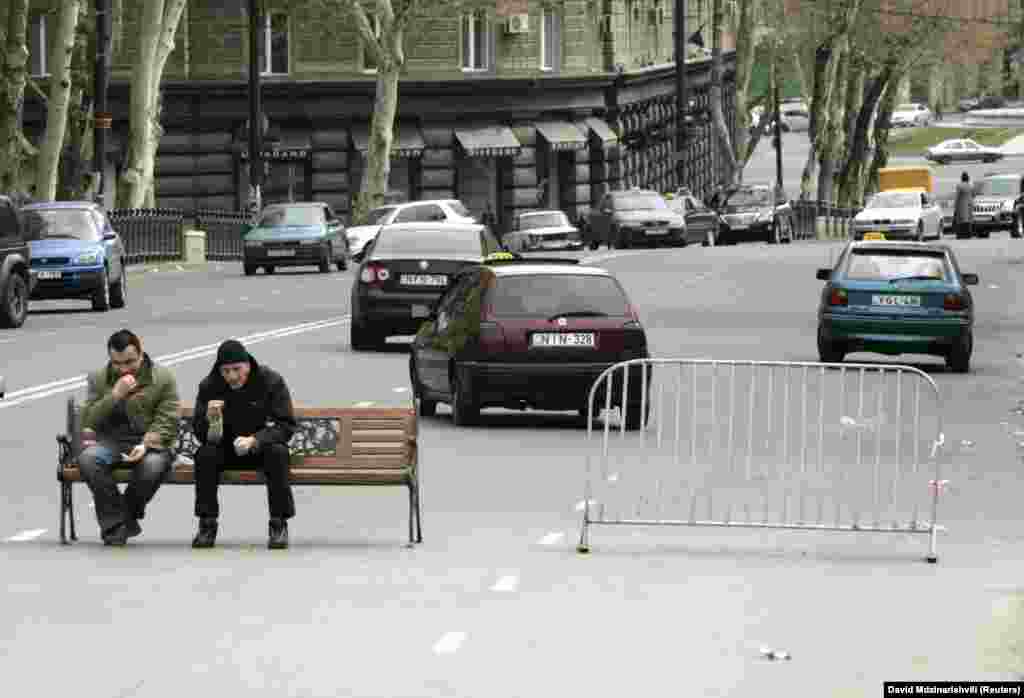
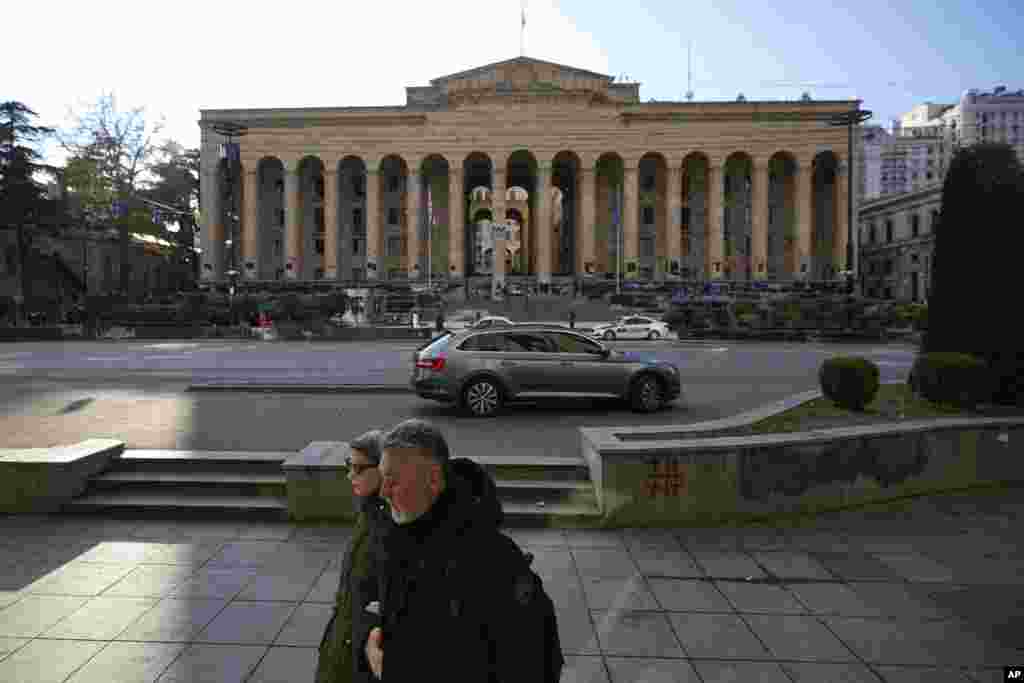
Rustaveli: Georgia’s Road Of Protest
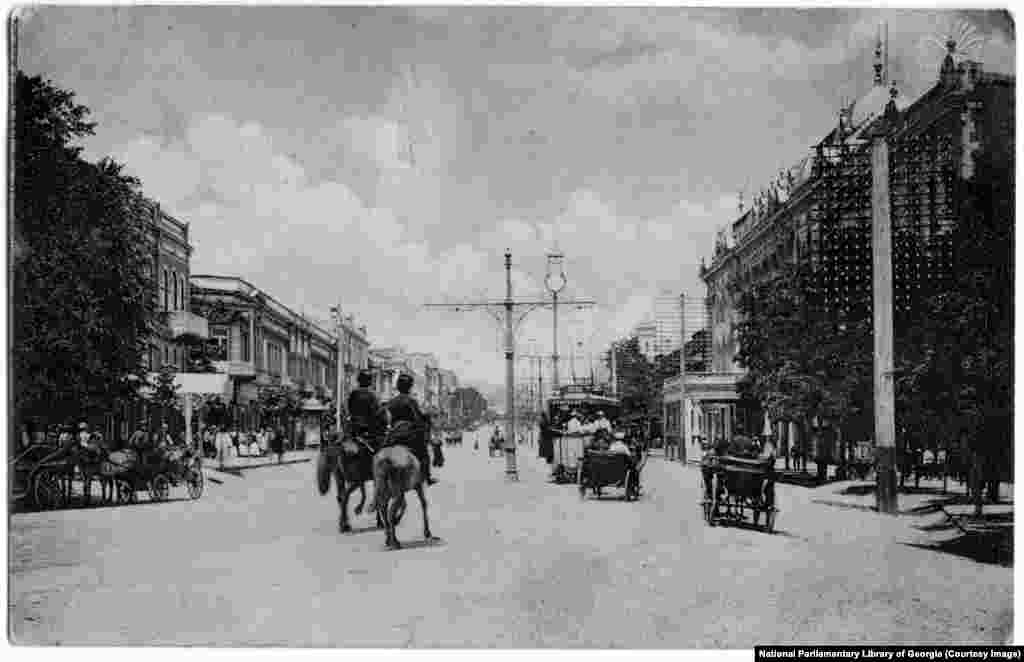
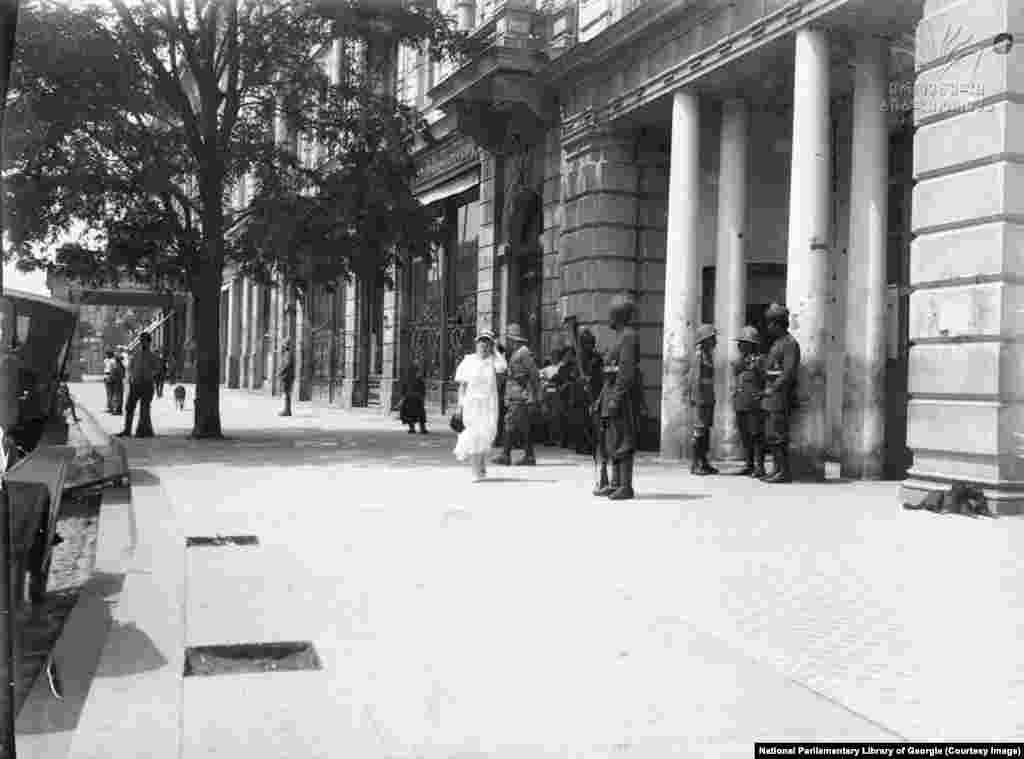
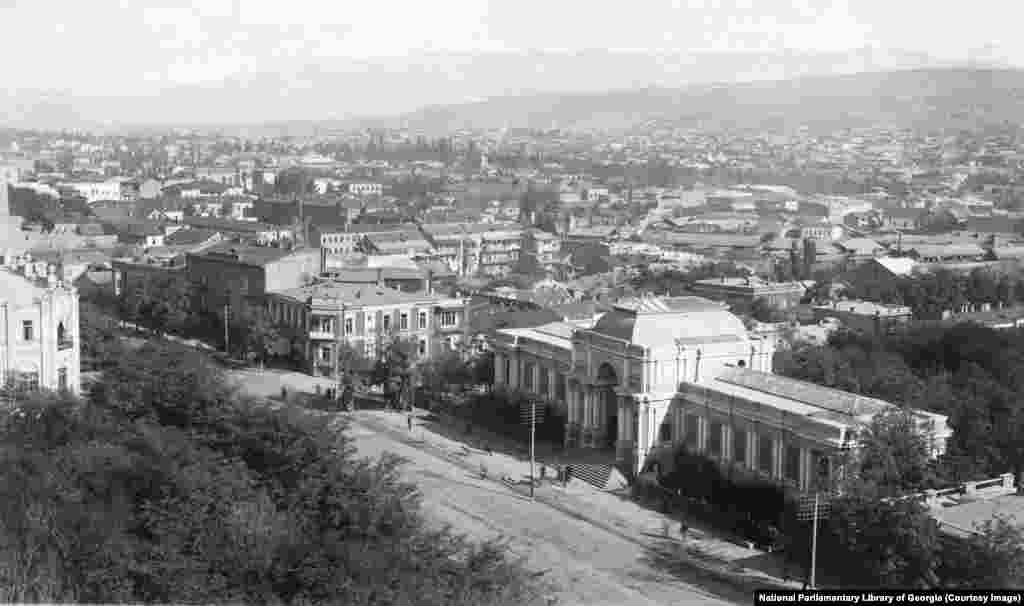
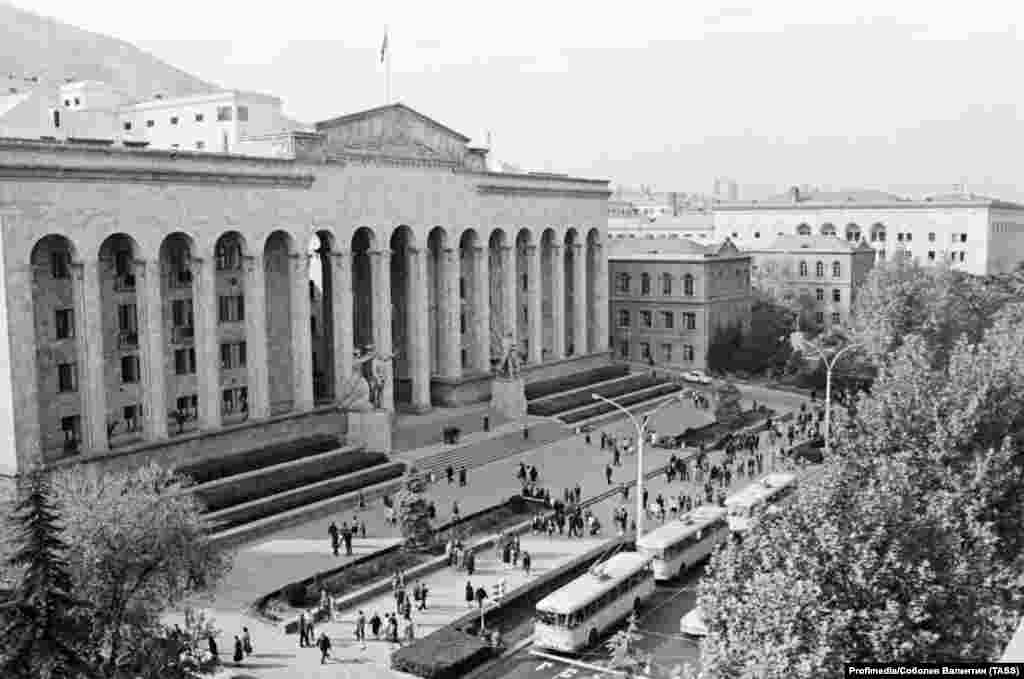
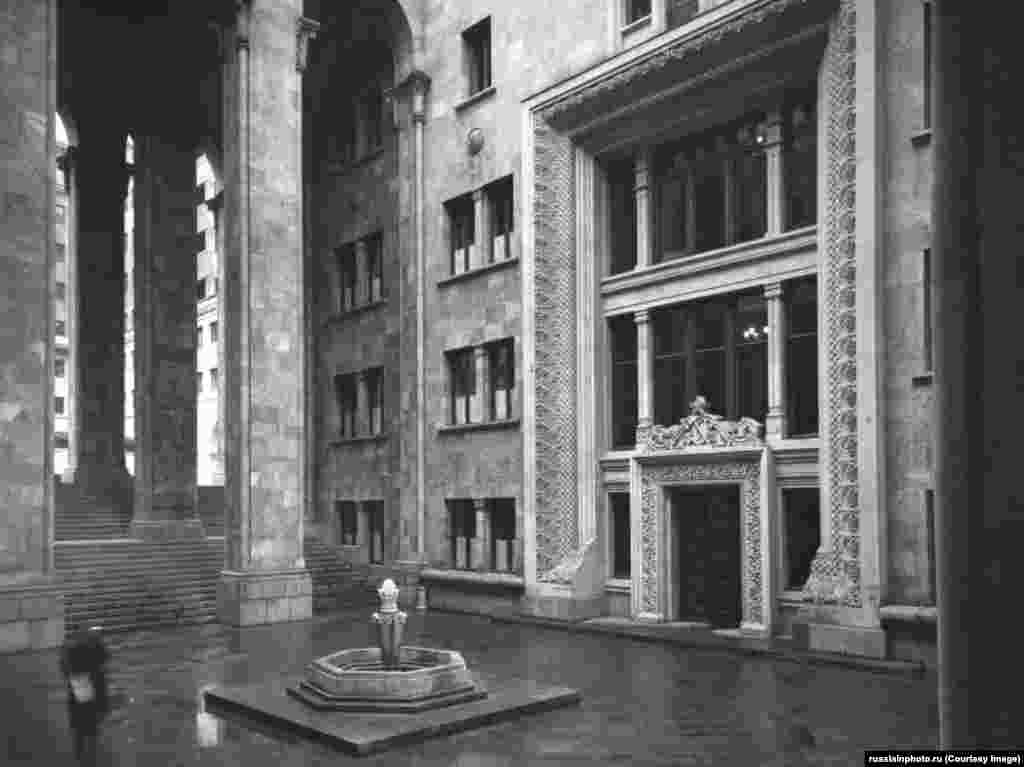
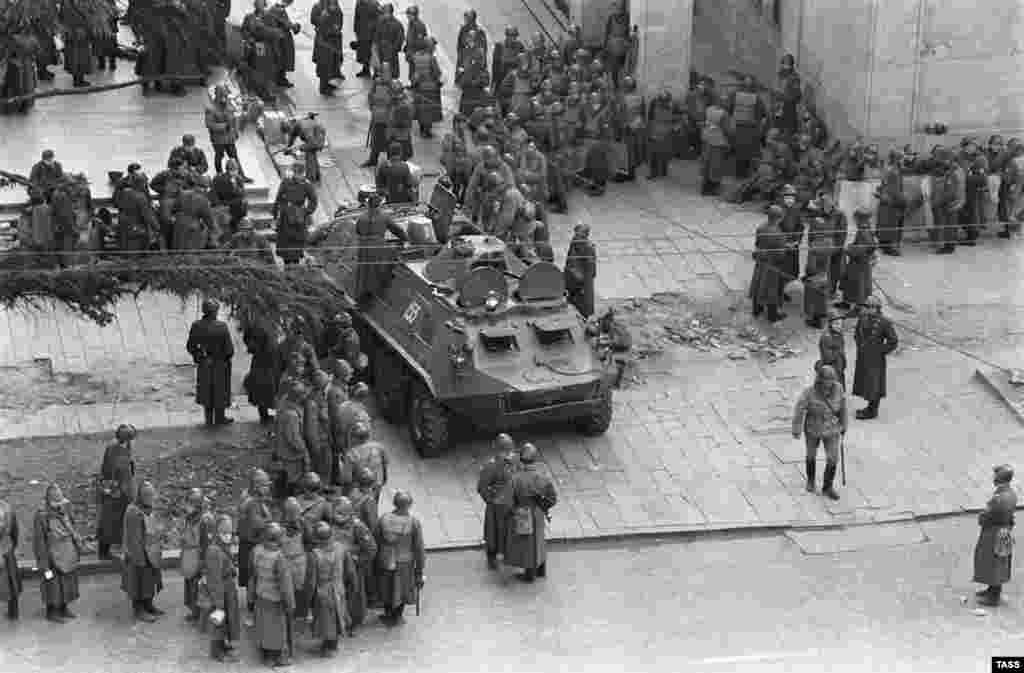
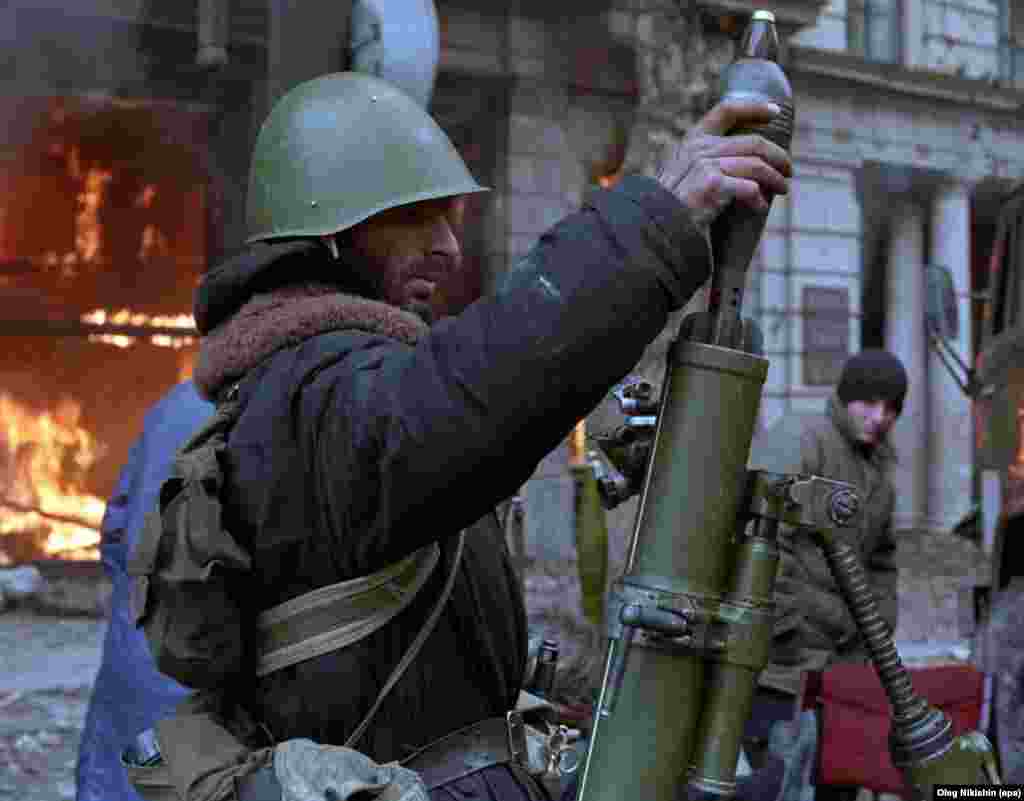
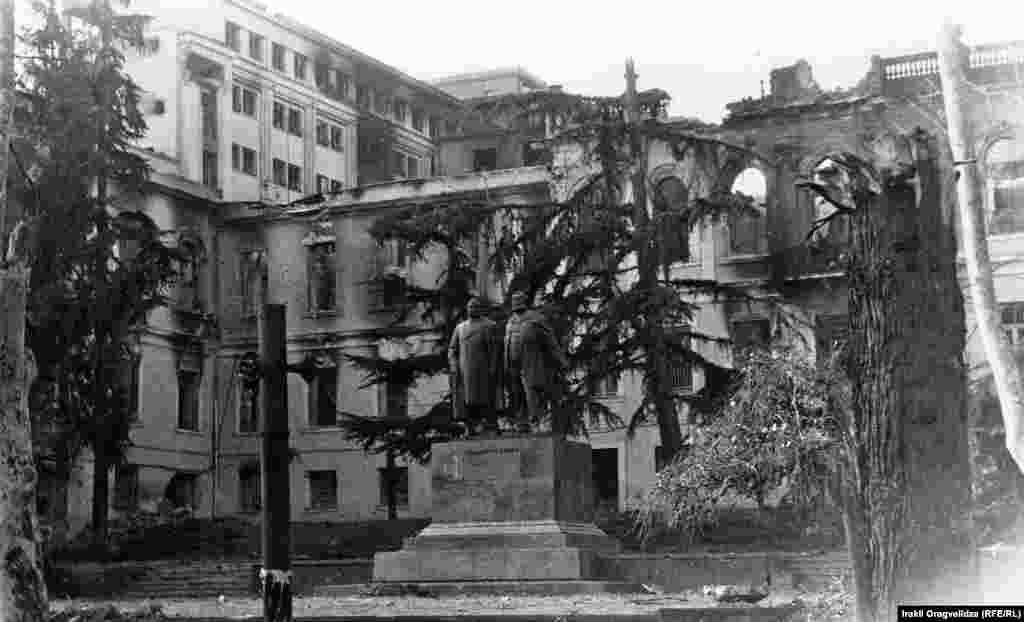
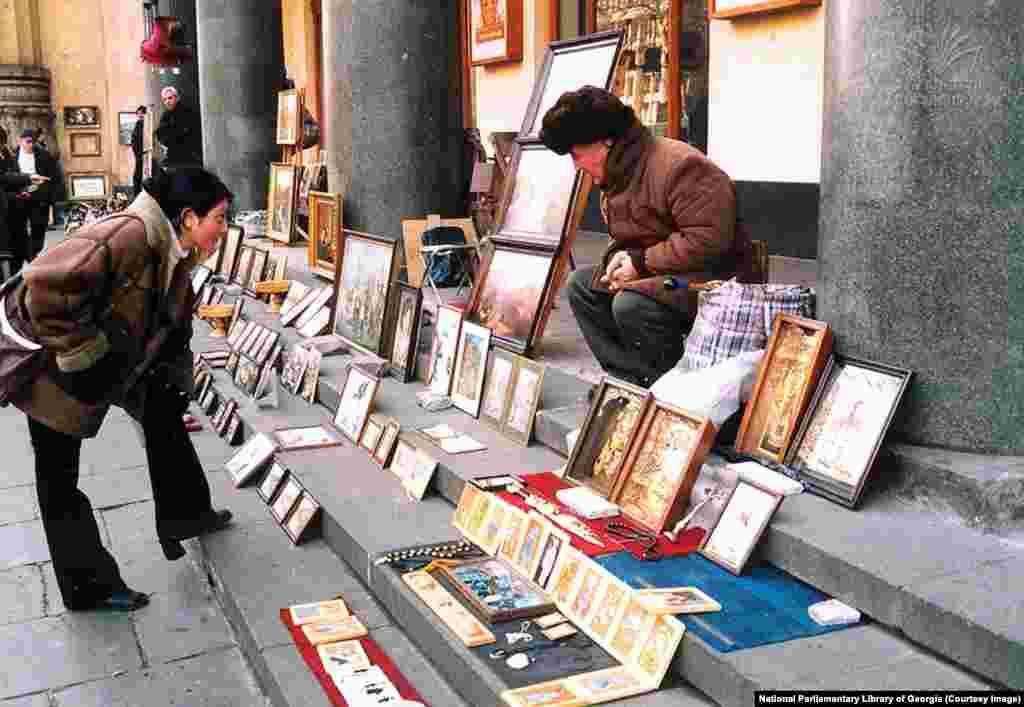
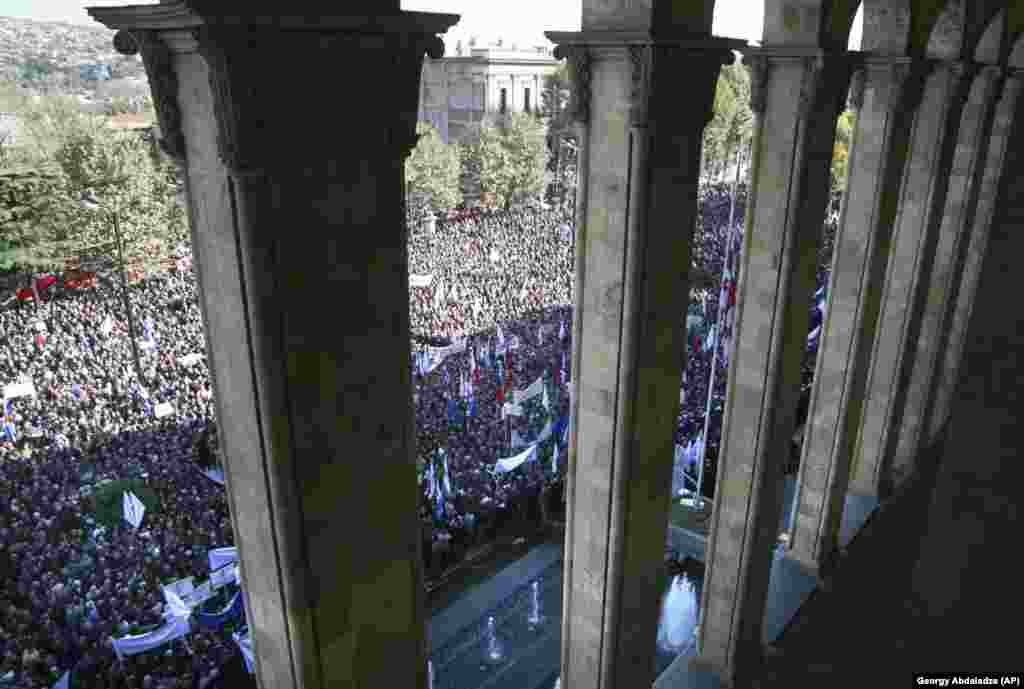
Tensions have been running high in Georgia since the ruling Georgian Dream party won an election on October 26 that the pro-Western opposition and Georgian President Salome Zurabishvili say was rigged with the help of Moscow.
Earlier on December 6, Zurabishvili called on Prime Minister Irakli Kobakhidze to step down as pressure mounts on the government amid a violent crackdown on unrest.
Zurabishvili made the call in an interview with Georgia's Channel One media group as the Prosecutor-General's Office announced that it had filed its first criminal charges against protesters who have taken to the streets to rally against the move.
"The prime minister who has failed to settle the crisis...must be replaced," Zurabishvili said.
"This is the compromise, depolarization, a way out for Georgia, stability, peace and the future, which will be unshakable, free and democratic," she added.

Zurabishvili traveled to Paris on December 7 for ceremonies marking the reopening of Notre Dame cathedral, which had been restored following a devastating 2019 fire.
She said on social media that she had an "in-depth discussion" there with U.S. President-elect Donald Trump and French leader Emmanuel Macron, posting a video of the talks on X.
Zurabishvili also met with Ukrainian President Volodymyr Zelenskiy and thanked him for his support for the Caucasus nation.
The announcement last week by Georgian Dream to halt talks on joining the EU until 2028 further fueled dissension, with thousands of Georgians flooding the streets around parliament in protest.
The largely peaceful protesters have been met with a sometimes-brutal crackdown by security forces, leaving dozens -- including opposition members and journalists covering the events -- in need of medical attention.
The Prosecutor-General's Office, however, said it charged nine individuals with organizing and participating in group violence during the protests on Rustaveli Avenue in Tbilisi.
"This is a choice between autocracy and democracy -- there is no other way," Tere Heland, an adviser to the European Neighborhood Council, which provides information on current events in Georgia, told RFE/RL in an interview on December 6.
Opposition leaders have also rejected accusations by Georgian Dream that the violence was the product of a conspiracy -- aided by foreign actors -- to provoke chaos.
Levan Tsutskiridze, leader of the Freedom Square movement and one of the most influential members of the Strong Georgia political coalition, said the actions of government forces against peaceful protesters were "tragic."
He accused the police of "mass terror, with physical violence, intimidation, and torture."
The opposition has also called for fresh elections, saying that without a new vote, the restoration of democratic legitimacy is impossible.
Georgia's Interior Ministry told RFE/RL on December 6 that a total of 338 individuals had been detained for administrative violations during the protests, which security forces have tried to put down with water cannons, vast amounts of tear gas, and harsh beatings.

